Identifying Hidden Moisture Migration Through Block Foundation Cores
Identifying Hidden Moisture Migration Through Block Foundation Cores
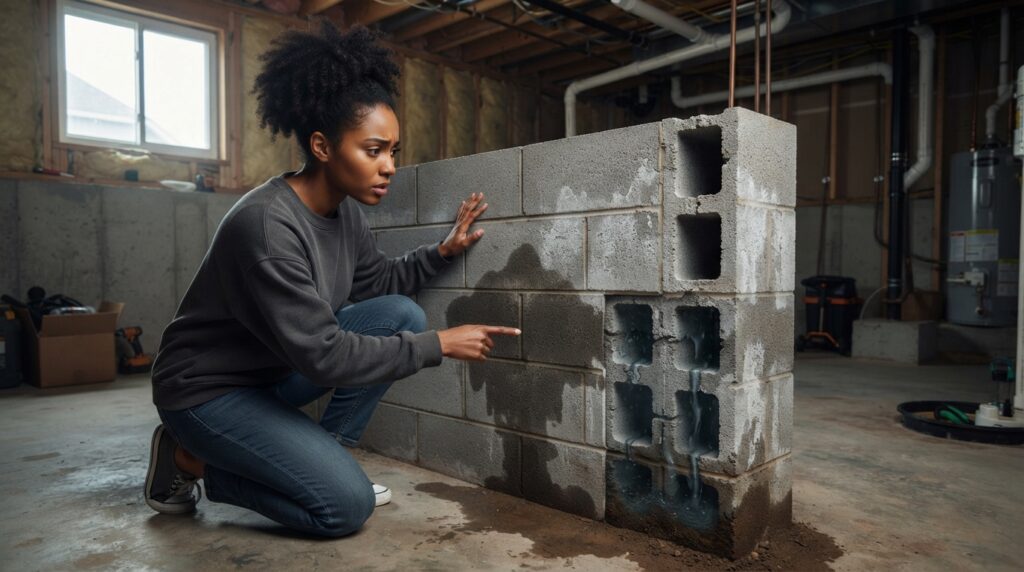
Concrete block foundations are a popular choice for residential building because of its strength, durability and cost effective installation. These foundations work well under normal conditions, but the hollow core design can provide hidden paths for moisture migration that sometimes go unreported until noticeable damage appears inside the house. Water entering the block cores can flow vertically and horizontally via the interconnecting spaces and can finally reach finished basement walls, floor systems or timber framing. The moisture is hidden inside the foundation, so homeowners often attribute the symptoms to plumbing leaks or condensation on the surface. Knowing how the concealed moisture moves through block foundation cores enables property owners to recognize warning signs, identify the real source of dampness, and take effective waterproofing measures before structural decay and air quality problems become critical.
Concrete Block Foundation Construction Understanding
The foundation of a concrete masonry block wall consists of hollow concrete masonry blocks laid in courses linked with mortar joints. The blocks have interior chambers, called cores, that lower the weight of the material while preserving structural capability . Some cores are empty , others are strengthened with steel and filled with grout for extra strength , depending on how they are constructed . While the outer surfaces look solid, the interconnected voids form concealed pathways through the wall assembly. These interior spaces provide as a path for water to flow through the foundation, which is not readily apparent from within or outside the building, depending on moisture levels.
How Water Gets Into Foundation Cores
There are multiple possible ways moisture might penetrate block foundation cores. Heavy rainfall, poor exterior drainage, hydrostatic pressure, faulty waterproofing membranes and saturated surrounding soil all add up to the quantity of water pushing against the foundation wall. Water can enter the hollow chambers through small fractures in mortar joints, porous concrete surfaces or open utility penetrations. Within the block cores gravity and capillary attraction draw moisture through the interconnecting spaces within the wall. Because the water is contained within the foundation, the problem generally goes undetected until it damages interior finishes or structural elements.
On the Function of Hydrostatic Pressure
Hydrostatic pressure is a main force that applies pressure to the moisture in block foundation walls. With prolonged rain or snowmelt, the surrounding soil can get saturated to the point that the pressure of groundwater continues to press against the outside surface of the foundation. Concrete blocks and mortar joints include small pores that absorb limited moisture. As the external water pressure is increased the moisture slowly finds its way through these pores until it reaches the hollow cores of the wall. If the drainage surrounding the foundation is poor, the hydrostatic pressure stays high for long periods of time allowing larger and larger amounts of moisture to migrate through the foundation system over time.
How hidden moisture moves about in a wall
If moisture gets into the cores of the block, it does not necessarily stay where it first entered the wall. Water can go downwards through open voids under the effect of gravity . At the same time , it can travel sideways through linked mortar joints and porous masonry materials . Moisture can also be drawn upward by capillary action into places that seem to have no relation to the original source of entrance. As a result, visible moisture may appear many feet away from the point at which water entered the foundation from the outside. Diagnosis is often complicated since this hidden movement rarely leaves obvious clues to the true source of moisture penetration.
Moisture Migration: How to Spot It Early
With block foundations there are certain subtle warning indications that could suggest moisture moving hidden within the cores before any major structural damage occurs. Efflorescence is the term used to describe the white mineral deposits that often emerge on basement walls as dissolved salts are transported to the surface by evaporating moisture. Bubbling paint and wall finishes, damp carpets near foundation walls and musty odors are often indications of hidden moisture in the brickwork. Homeowners may also experience localized stains or ongoing condensation, even with normal interior humidity. In more severe situations, wood framing near to the foundation may start to exhibit indicators of increased moisture levels or fungal growth. If you know the early signs of moisture problems, you can deal with them before they require major repairs.
Effects on Indoor Air Quality and Building Structure
Persistent dampness in block foundation walls impacts much more than esthetic finishes. More moisture increases indoor humidity, creating conditions that encourage mold growth and lowers overall indoor air quality. Sill plates, floor joists and wall framing in contact with damp masonry can collect moisture slowly and this increases the chance of degradation and structural weakening. Extended wet circumstances can also lead to increased corrosion of metal fasteners and reinforcement elements. The cumulative effects of an uncontrolled migration of moisture can be detrimental to both the durability of the building structure and the comfort of the interior living environment.
Methods for Determining Hidden Foundation Moisture
In order to make the correct diagnosis you need to look not just at the symptoms you see but also the hidden routes the moisture is taking through the foundation. Moisture meters can determine the high moisture levels in masonry and surrounding construction materials without significant destruction. Cooler areas linked with moisture buildup hidden within foundation walls will typically be revealed via infrared thermal imaging. Examination of exterior grading, drainage systems, gutters and downspouts will assist identify if too much ground water is adding to hydrostatic pressure. Specialized moisture testing of the block cores can sometimes provide additional information about internal water movement. Together, interior and exterior inspections yield a better understanding of moisture migration process and allow for more effective repair plans.
Stopping Long-Term Moisture Migration
The first step in effective prevention is controlling water before it reaches the foundation wall. Proper external grading should divert surface runoff away from the structure, and well-maintained gutters and downspouts can limit the quantity of roof water that enters the surrounding soil. Functional perimeter drainage systems help reduce hydrostatic pressure by removing groundwater away from the foundation. Exterior waterproofing membranes and correctly sealed foundation penetrations further prevent moisture intrusion into the cores of the blocks. If there is a slight moisture infiltration, proper ventilation and humidity levels in the basement inside the house will help dry things quickly. Regular inspections of foundation walls, drainage systems and basement finishes help identify growing problems early on. Understanding how concealed moisture migrates through block foundation cores enables homeowners to employ proactive maintenance measures to safeguard structural components, enhance indoor air quality and preserve the long-term performance of their foundation system.