Why Cabinet Doors Warp After Installation Over Uncured Drywall Compound
Why Cabinet Doors Warp After Installation Over Uncured Drywall Compound
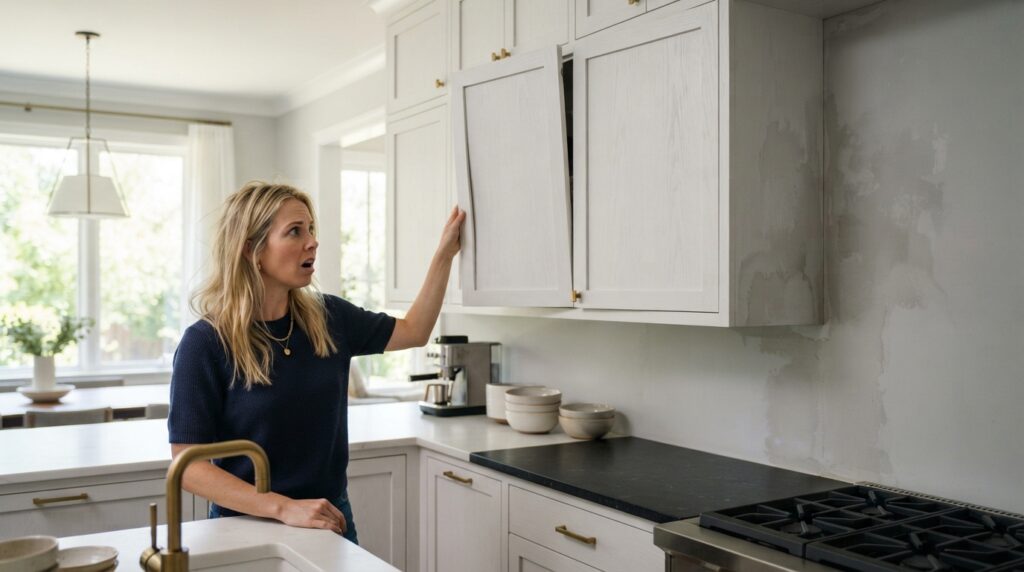
Cabinet installation frequently occurs at the tail end of a residential building or restoration project, alongside installation of drywall, painting, and trim. This process helps projects move forward efficiently, but issues can develop if cabinets are fitted before the drywall compound has fully set. One of the most obvious difficulties is cabinet door warping . Doors slowly twist , bow or lose proper alignment even though they are made to precise specifications . Most homeowners will first assume substandard craftsmanship or inferior cabinet materials, but the real culprit is usually excess moisture trapped inside the adjacent wall assembly. Uncured drywall compound transfers moisture to the indoor environment slowly . Wood components adjacent to drywall take up moisture and change dimension . Knowing why cabinet doors warp after installation over drywall compound that is not cured helps homeowners and contractors avoid premature installs, preserve cabinet functionality, and save unnecessary adjustments or replacements.
How to Understand the Curing of Drywall Compound
Joint compound is what people call drywall compound . It is used to hide the seams , screw heads and defects in the drywall before painting . Most common drywall compounds cure via the evaporation of moisture into the surrounding air . This is different from materials that cure chemically . Complete curing may take several days or even longer, depending on the thickness of application, the indoor humidity, the ventilation and the temperature. Even if the surface appears dry enough to sand or paint, moisture may still be present in deeper levels. If this moisture has not had time to work itself out before cabinetry is constructed, the total wall area enclosed can have high humidity levels that impact adjacent wood components.
Why Wood Cabinets Respond to Moisture
Hygroscopicity. Wood and wood-based cabinet materials are hygroscopic, that is, they collect and release moisture from the surrounding environment. As wood fibers get more moisture, they become wider and thicker. As the moisture content decreases the fibers shrink again. Good cabinet doors are built to slide as little as possible, but no wood product is 100% resistant to changing humidity conditions. Uneven expansion happens across the panel if one side of a cabinet door takes up more moisture than the other side. This imbalance induces internal stresses that slowly distort, twist or bow the door as it strives to find a new moisture equilibrium.
How uncured dry wall compound creates localized humidity
Fresh drywall compound is always giving out water vapor as it dries. When cabinets are installed in a closed space against a newly finished wall, this moisture can be trapped between the cabinet and the wall surface. The limited air flow slows evaporation down, therefore the local humidity is much higher than the rest of the space. The cabinet backs, mounting rails and door panels nearest the wall soak up this moisture over time. Because the moisture exposure is generally unequal, some components will expand more than others, which can increase the chances of gradual door distortion even though the rest of the cabinets may appear undamaged.
The Connection Between Uneven Moisture Absorption and Warping
Rarely will you find a cabinet door that has warped from moisture alone. It is the uneven distribution of moisture that causes most of the trouble. The material expands at different rates . The back of a cabinet door or frame may have a higher humidity than the front , which remains relatively dry . One side becomes significantly larger than the other . Internal stresses make the door bow or twist . Repeated cycles of moisture absorption and drying can add to this distortion over time. Once the wood has taken a permanent set, it frequently cannot be brought back into line simply by adjusting the hinge.
Environmental Conditions That Increase Risk
There are a number of environmental elements that affect how fast drywall compound cures and how much moisture it takes from adjacent wood. If indoor humidity is higher, evaporation slows down and the curing process takes longer, and the moisture lasts longer. Inadequate ventilation reduces air exchange, increasing humidity behind mounted cabinets. Cold temperatures slow the drying times, and heavy coatings of drywall compound hold moisture longer than thin finishing layers. If construction finishes in wet weather, internal humidity can be high, which will delay drying throughout the building. These factors foster an environment where cabinet materials are continually subjected to excess moisture.
Identifying Early Warning Signs
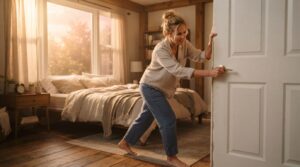
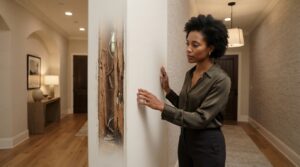
A more common first sign of cabinet movement due to moisture is minor changes in alignment rather than catastrophic warping. If cabinet doors rub against the adjacent panel, they may have uneven gaps or require more force to close properly. Even though the hinges are still tight, they may appear to loosen even though they were formerly precisely aligned. In some instances, the surface of the door will acquire a tiny twist that is only evident when viewed from the side. Other drywall in the vicinity may feel cool to the touch and/or have subtle evidence of incomplete curing, suggesting moisture is still present somewhere in the wall assembly. Early signs, if recognized, allow for corrective action before the irreversible distortion worsens.
Finding the Real Cause of Cabinet Warping
Assessment of the cabinets and the surrounding structural conditions is necessary for proper diagnosis. Moisture measurements collected near the wall behind the cabinets can indicate excessive humidity levels that may still be harming wood components. Additional signs of moisture problems might be found by checking the drywall for incomplete curing, mushy spots or extended drying times. To evaluate whether uneven absorption contributed to the deformation, the moisture content of damaged and unaffected areas of the cabinet was compared. A review of the installation schedule may also show that cabinetry was installed before the drywall finishing materials had sufficient time to fully cure. A comprehensive assessment eliminates the needless replacement of otherwise excellently made cabinets.
Preventing Cabinet Warping in Installation
The best approach to avoid cabinet doors from warping is to make sure the drywall compound is completely dry before you start installing. Good air movement, temperature control and humidity control are very effective in speeding the drying process and minimizing residual moisture in wall assemblies. Contractors should check that drywall was dry enough before beginning cabinets, especially in kitchens, baths, and laundry rooms where there is little airflow. The cabinets are allowed to adjust to indoor humidity as well by being placed in the conditioned interior environment prior to installation. Routine monitoring of construction moisture and cautious scheduling of finishing operations help limit the possibility of uneven wood expansion. Homeowners and builders alike understand the reasons behind cabinet door warping after installation over uncured drywall compound, allowing them to avoid moisture-related installation problems, retain the cabinet appearance, keep the doors properly aligned, and ensure the finished living space is long-lasting and durable.