Diagnosing Garbage Disposal Thermal Overload Trips Caused by Shredder Plate Bearing Resistance
Diagnosing Garbage Disposal Thermal Overload Trips Caused by Shredder Plate Bearing Resistance
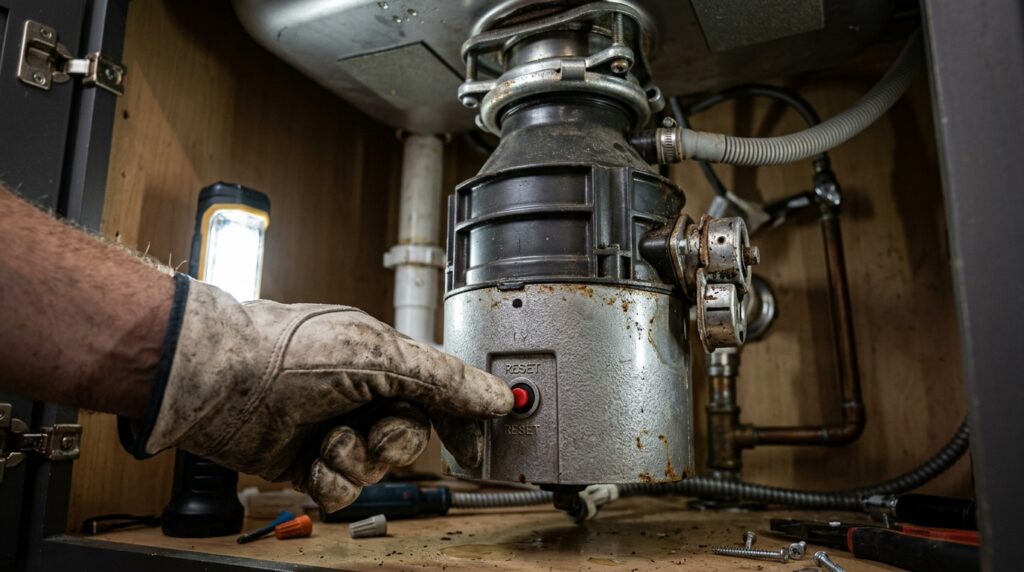
The little red reset button found on the bottom of the appliance is usually the culprit when a garbage disposal abruptly quits in the middle of cleaning. When that button pops out, the thermal overload guard has shut off electricity so the motor does not overheat. Most people blame a jammed spoon or a chunk of food debris, so they clear the chamber, hit reset and carry on. If the trip continues to occur even after the grinding chamber is empty, the problem may be deeper in the machine, where the shredder plate and flywheel assembly spin on worn bearings. In this system the increasing friction drives the motor to take more current, produce more heat and eventually tripping the safety device. This article walks you through how the protection system works, why bearing resistance causes repeated trips, and how to properly identify the issue before you pay for a repair or new disposal.
How Does The Garbage Disposal Thermal Overload Protection Work?
Nearly all home garbage disposals have a thermal overload protector integrated into the motor circuit. It is a switch that is sensitive to temperature and current. Its job is to open the circuit when winding temperature gets too high . This prevents the motor insulation from melting and decreases the fire hazard . The red reset button on the bottom housing is the manual reset for this switch . Usually, after a period of ten to thirty minutes, after the engine has cooled down, the button can be pushed back in to restore power. One trip following a strong jam is common and nothing to worry about. Repeated excursions without obvious obstacle are different, because they indicate the motor is working harder than it is designed to. The protector is just reporting a symptom, thus the actual job is to track down what is causing the additional load.
The role of the shredder plate and flywheel and bearings in smooth rotation
Two rotating impellers mounted on a rotating turntable, often termed the shredder plate or flywheel, drive food waste against a stationary grind ring in the grinding chamber. The plate is linked to the motor shaft, which rotates between 1,700 and 2,800 revolutions per minute depending on the type. The shaft is held in the middle of the housing by a bearing system of either a set of ball bearings or a bronze sleeve bushing. Some compact models have one lower bearing, therefore the alignment is more vulnerable to wear. Seals, above these bearings, prevent water and food slurry from entering the motor section. When all is in good condition the assembly spins with relatively little effort and the motor runs cool. Any friction produced at the bearings, shaft seal or surfaces under the plate is additional mechanical burden the motor has to endure each turn.
Why Resistance to Rotation Increases Motor Current and Heat
An electric motor under increased mechanical load draws more current, and more current means more heat in the copper windings. A healthy disposal motor will reach a steady operating temperature in a brief grinding operation and cool down rapidly afterward. When the bearing resistance increases, the motor is fighting drag all the way through the run, and the winding temperature rises much faster than typical. A hot running motor is less efficient too, which means less torque when the bearings need it the most. The thermal protector is located near the windings, and it senses this temperature rise and trips power in seconds or minutes. The starting current is also affected as a motor to break loose a stiff shaft pulls a huge surge every time it is switched on. The windings also experience stress from repeated surges and heat cycles, generating a downward spiral where each trip occurs sooner than the last.
Distinguishing a Bearing Problem from a Simple Jam
The most frequent diagnostic error is to consider every trip a jam. If there is a real jam, it is some foreign object, such as a bone fragment, fruit pit, bottle cap or piece of silverware that is trapped between the impellers and the grind ring. Motor hums loudly, plate will not move. Remove object and regular operation resumes instantly. Bearing resistance is another matter. The chamber is clean but the plate feels stiff or gritty when twisted by hand and the disposal may run for a few seconds before stopping and tripping. Ask if the reset button trips only when food is present or also when the unit runs empty. Empty trips are a good suggestion of internal drag. Timing is another indicator; a bearing problem can typically show up after a few minutes of use, or on the second or third start of the day, once heat has built up.
Warning Signs: Humming, Grinding, Multiple Reset Button Trips
Usually, there are several warning signals before a bearing related trip becomes permanent. If the bottom of the unit makes a low growl or grinding noise even when the chamber is empty, the bearing surfaces may be dry or rusted. A loud pitched whine on startup may indicate a shaft is binding. Many owners report that the disposal takes longer to come up to full speed, or sounds strained, while grinding soft food that used to be no problem. Another common indicator is vibration felt through the sink flange or the cabinet floor. If you see rust spots at the bottom seam, a musty smell or water dripping from the housing, the seal has failed. This is usually accompanied by bearing problems. If the reset button begins popping multiple times a week, it is an indication that the unit has lost its load margin and that repair or replacement should be anticipated shortly.
Performing a Manual Rotation Test and Basic Diagnostics
And the best approach to measure bearing strength, without extra tools, is a manual rotation test . Ensure the wall switch is off and the unit is unplugged (or circuit breaker is off if the disposal is hard connected) and never put your hand inside the chamber. Most units have a socket in the center of the underside. Insert a quarter inch hex key and wiggle it back and forth. A healthy shaft rotates easily through a full revolution with light, even effort. If you notice a stiffness, grit, hang-up, or gritty sensation, the bearing, bushing or seal is bad. If the shaft spins smoothly but the disposal still trips, check the supply voltage and wiring connections; a loose neutral or a weak outlet can mimic the symptoms of an overload. Feel the plate, because that observation will lead your decision about repair.
Common Causes of Bearing Wear, Corrosion and Seal Failure
There is hardly a bearing resistance without a cause. Water is the number one adversary. A damaged shaft seal allows moisture, grease and small food particulates to move into the bearing region. There they wash away the lubrication and produce rust. “Hard water” deposits scale on the bearing surfaces, which are rough. Abrasive waste, such as egg shells and coffee grounds, will wear out the seal faster. Hot grease that cools in the housing can harden and thicken the little lubrication that remains. If disposals go unused for extended periods of time, surface corrosion can form that will hold the shaft in place until it is broken free. Age is another factor, since most residential units will wear out in eight to fifteen years, when the lubricants break down and the bushings wear unevenly. Chronic jamming occurs if the chamber is overfilled or if fibrous material such as celery and maize husks are ground, putting shock stresses on the bearings and shortening their life.
Maintenance, Replacement and Prevention Methods
When resistance is proven, the practical question is whether the repair is worth it. Most home disposals do not come with serviceable bearings and seals, and the labor to open the motor housing is frequently more than a new unit. In most cases, replacement is the smarter alternative, especially if the disposal is more than eight years old or leaks from the lower seam. If the equipment is still under warranty, record the symptoms and contact the manufacturer before discarding the unit. When shopping, look for a motor rating that is appropriate for your household use, stainless steel grinding components and a strong seal construction. Once your new unit is installed, protect it by running a vigorous stream of cold water while and after each usage, avoiding fibrous and hard waste, and grinding in moderate batches. Every once in a while a little dish soap and some citrus peels maintains the chamber fresh without damaging the bearings.