Why Front-Load Washing Machine Door Boots Retain Water and Develop Mold Behind Flange Seals
Why Front-Load Washing Machine Door Boots Retain Water and Develop Mold Behind Flange Seals
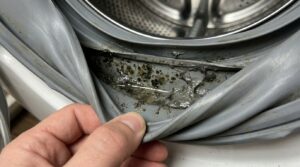
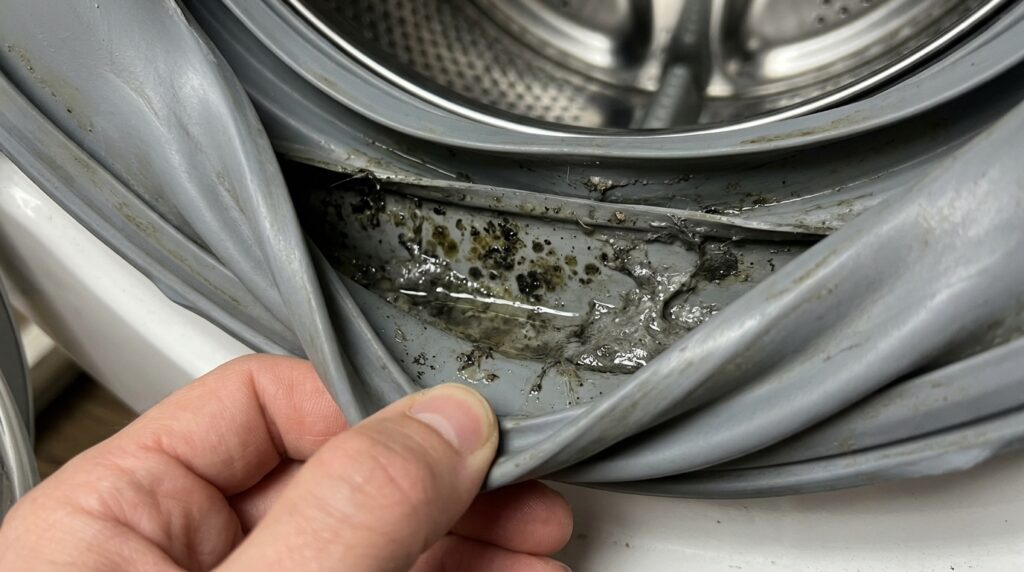
Few laundry room discoveries are more disgusting than peeling back the rubber ring around a front-load washer door to uncover a moist layer of slime and black blotches lurking in its folds. The door boot (sometimes called the door gasket or bellows) is the key to keeping the water inside the drum, but the design that makes it work also makes it a natural moisture trap. There is water in the bottom fold, soap residue on the rubber, and a dark, steamy and damp space behind the flange seal long after the cycle is over. Those circumstances are perfect for mold and mildew, which can spread to the drum, the detergent drawer and even the items you are washing. In this article, we’ll go over how the boot is made, why it makes sense, how mold can develop behind the flange, and what are the best cleaning, preventive, and replacement measures.
How the Door Boot and Flange Seal Work Together
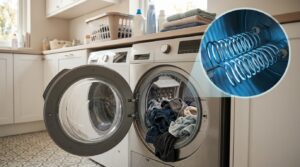
The door boot is a flexible collar of rubber or synthetic material that bridges the gap between the stationary front opening of the cabinet and the outside tub containing the revolving drum. Front loaders tumble clothing on a horizontal axis, thus the boot must stay watertight as the tub shakes and rattles during high-speed spin. The outside edge is fitted over the cabinet flange and kept in position by a spring clamp or retaining ring . The inner lip seats against the tub and is held in position by a second clamp. Most designs are pleated or bellows-shaped to allow the rubber to flex without tearing. The front lip is pressed on the glass door to seal it. Flexibility is a benefit, but each fold and seam also produces a pocket where water might collect.
Why water gathers in the creases of the rubber boot
Save for the bottom turn of the boot, which nearly always retains a little water when a cycle is over. Gravity is trying to drag the water down to the bottom of the ring, but surface tension and the slightly rough surface of the rubber are keeping droplets in place, instead of allowing them to run back into the drum. If the washer is not level, it can make the problem worse, since the bottom fold tilts the wrong direction and traps a shallow pool. Small pieces of fabric, coins, lint and hair can also clog up the narrow drain channels or weep holes found on some boots. Close the door as soon as the last load is in, sealing in the humidity and stopping evaporation, so a puddle that might dry off in an hour stays moist for days.
The secret space under the flange seal where mold gets a foothold
The most stubborn mold is the one you can not see. There is a thin cavity behind the inner lip of the boot, between the rubber, the clamp and the outside tub. During a wash , suds and water spill over the lip and into this gap . The cavity drains poorly , and nearly never dries fully . It never gets a wipe of the cleaning cloth, it has no air flow or light of day, so lint and soap film can build up there unchecked. For weeks or months, colonies of mold can grow in this hidden layer before black patches show on the surface fold. Often by the time an odor is detectable, the growth behind the flange seal is well formed and requires more than a cursory surface wipe.
Detergent, Fabric Softener and Body Soils Fuel Mold Growth
Mold needs three things to grow: moisture, a temperate temperature, and a food source. The rubber boot takes care of the moisture and warmth and the laundry residue provides the food. The rubber is sticky with too much detergent, waxy fabric softener, skin oils, dead skin cells, pet hair and microscopic food particles from pockets. This slimy coating is a bacterial and fungal population that defends itself against water and mild cleaners and is therefore difficult to remove once it has established itself. High-efficiency washers use significantly less water than previous machines, so there is less rinse action to eliminate residue from the folds. Hard water leaves a mineral scale that roughens the rubber and offers microbes more places to cling.
The effect of low temperatures, eco-cycles and closed doors
Modern washing practices discreetly promote build up around the boot. Cold water cycles and brief eco programs utilize less heat and less water, thus detergent may not dissolve fully and fewer microorganisms are killed along the way. This leaves the leftover soap and softener to sink into the folds instead of going out with the drain water. A closed door keeps warm, moist air trapped inside the drum, and wet towels or exercise clothing sitting inside the machine add to the humidity. In addition, laundry facilities in basements, closets and other compact interior areas generally lack ventilation, so drying is much slower. Mild temperatures, residue and persistent moisture over time provide a stable home for mold. A washer that is cleaned periodically can nonetheless develop difficulties if its everyday habits keep the boot damp.
Signs to look out for: Odors, Black Spots, Slime, Smelly Laundry
The first indicator is often a musty scent that hits you when you open the door or lingers on clean garments. Then you might see black or gray or green spots along the lower fold, a slimy film on the rubber or pinkish residue, which is usually bacterial rather than real mold. If you still have water in the boot well after the cycle has finished, this is another clue that the folds or drain channels are not flushing effectively. Some homes will have towels that are discolored, sheets that smell foul, or an increase in sneezing and irritation around the laundry. Pull down the lip of the boot with your gloved hand and shine a flashlight into the channel under the lip, for often hidden growth is worse than it looks on the surface.
Safe Cleaning Methods for Boot, Gasket and Drain Channels
First, put on rubber gloves and open the door entirely. Then, gently pull back the boot, exposing all the folds and the concealed channel. Remove visible lint, hair and debris using a dry towel. Next, clean the rubber with a soft brush or old toothbrush using a manufacturer-approved washer cleaner, diluted bleach solution or hydrogen peroxide, following the directions in your owner’s manual. Never use bleach with vinegar, ammonia or other cleaners, as the fumes might be harmful. Wipe the boot with a moist cloth, then dry thoroughly with a clean towel. Finally, run a hot tub clean cycle with door open to the suggested setting. Avoid abrasive pads and metal scrapers that will scratch the rubber and create rough patches that mold will colonize faster.
Prevention Tips and When to Replace the Door Boot
Prevention is keeping the boot dry and the residue low. After the last load of the day, wipe the creases with a dry cloth and keep the door open to allow air to flow between cycles. Use only high efficiency detergent at the suggested amount. Limit liquid fabric softener. Run a hot tub clean cycle about once a month. Remove wet washing immediately, maintain the machine level, clean the drain pump filter regularly and enhance ventilation in the laundry area if humidity remains high. If the rubber is torn, stiff, leaky or severely soiled after a good washing, or if the musty smell keeps coming back, chances are the boot has absorbed too much growth. It is often worth replacing and many owners opt for a technician to do the operation as the clamps and tub alignment need cautious handling.