Identifying Creosote Glazing Patterns in Seldom-Used Masonry Fireplaces
Identifying Creosote Glazing Patterns in Seldom-Used Masonry Fireplaces
Masonry fireplaces are prized for their traditional beauty, reliable heating and long service life if properly maintained. Even if you don’t use your fireplace much, it still needs to be inspected regularly because combustion byproducts can gather inside the chimney over time. Creosote glazing is a hard, shiny coating that forms throughout the inside surfaces of the chimney flue and is one of the most difficult deposits to find and remove. Glazed creosote is unlike loose soot or flaky creosote. It clings strongly to the stonework and will not come off with the usual methods of chimney cleaning. Certain glazing patterns are especially prone to fireplaces that are not used regularly, as infrequent fires usually induce reduced flue temperatures and incomplete combustion. These conditions promote condensation of flammable vapors which slowly solidify to form dense deposits. Knowing how creosote glazing forms in infrequently used brick fireplaces helps homeowners identify possible problems, enhance fireplace performance and cut the risk of disastrous chimney fires.
What is Creosote
Creosote is a flammable residue from burning wood and the smoke created, consisting of water vapor, organic gases, and microscopic particles of unburned material. As these products of combustion move up the chimney they cool and condense on the inner flue surfaces. The resulting deposits vary in texture according to the conditions of combustion and the temperatures in the chimney. New deposits are frequently a light soot; with repeated accumulation under colder operating conditions they gradually change to a thicker, tar-like material. Repeated heating and cooling makes these deposits harden into a glossy, glass-like layer called glazed creosote. This material is composed of concentrated flammable chemicals which will ignite at sufficiently high temperatures.
The Evolution of Glazing in Rarely Used Fireplaces
Many homeowners believe that fireplaces used only a few times a year are less likely to have dangerous deposits. In fact, infrequent operation typically gives the optimal circumstances for creosote glazing. Short flames do not usually create enough heat in the chimney flue to keep high internal temperatures throughout the system. The comparatively cool chimney causes much of the moisture and unburned combustion gases to condense as the smoke rises, before they can escape out the top of the flue. These deposits persist between the rare fires, and gradually continue to harden into smooth glazed layers. The rapid rate of combustion at high temperature promotes full combustion and hence reduces the amount of condensed residue that remains.
Influence of combustion temperature on deposits
The kind of creosote produced is directly influenced by the temperature of the fireplace and chimney. Hotter fires burn seasoned wood more completely, and generate hotter exhaust gases that carry fewer unburned particles into the chimney. Damp wood, limited air circulation, or short burn times mean cooler fires, which in turn lead to the release of more partially burned organic molecules. These cooled gasses then strike the relatively chilly walls of the chimney, where they condense quickly and sticky residues build up on the stonework. With repeated contact to mild heat, these sticky coatings turn into dense, glazed layers. These layers become tougher and tougher to remove with standard cleaning methods.
Know the Common Glazing Patterns
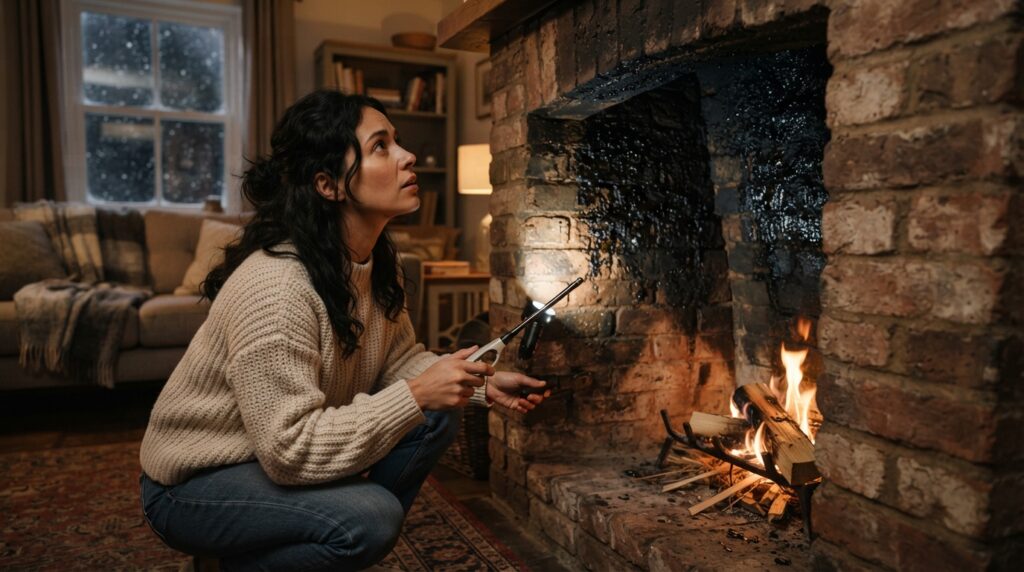
Creosote glazing rarely occurs in a homogeneous manner throughout the entire chimney. Instead, it often develops characteristic patterns that indicate differences in temperature and airflow conditions in the flue. Thick glossy deposits are often found near the top of the chimney where the smoke cools most rapidly before it escapes out the doors. There can also be considerable build-up of glaze around chimney bends, smoke shelves and changes in flue diameters where the airflow is slowed and turbulence increased. Some of the deposits in the fireplace are in alternating bands of shining and dull deposits, indicating numerous cycles of condensation and partial drying over subsequent fires. The presence of these patterns gives key information about combustion efficiency and chimney function.
Dangers of Glazed Creosote
Glazed creosote is a far larger fire threat than typical soot, for it contains a concentrated flammable substance attached securely to the chimney walls. When flue temperatures are heated sufficiently by a hot fire, these hardened deposits can suddenly ignite, creating a strong chimney fire that can damage masonry, shatter flue liners, or spread flames to adjoining flammable framework. In addition to the fire hazard, excessive glazing gradually limits the effective diameter of the chimney, impeding the flow of exhaust and increasing the probability of smoke entering the living area. Also, ordinary chimney maintenance becomes harder with these deposits, since standard brushes generally can’t get rid of the hardened coating properly.
Chimney Condition Assessment
A careful visual check of the inside of the chimney is the first step in a proper diagnosis. The bright light and specific examination equipment helps show the thickness, texture and distribution of creosote deposits throughout the chimney. Glazed creosote is usually a dark brown or black color and has a smooth, shiny surface, similar to solidified tar or glass. Any area of severe build-up should be thoroughly checked to establish whether the deposits are localized or run throughout the chimney. Further evidence of combustion residue can be found by looking at the fireplace, smoke chamber and chimney cap, and this will also assist in determining the operating circumstances that led to the creation of glazed creosote.
Cleaning and Maintenance
Glazed creosote is harder to remove than the normal build-up of soot. Tools for mechanical cleaning suited for hardened deposits may be needed to break the glazed surface from the masonry without harming the chimney liner. In extreme circumstances, thick deposits need to be professionally removed using restoration techniques to ensure the fireplace is safe to use again. Regular chimney inspections after each heating season can identify growing deposits before they become heavily glazed. Burning well seasoned firewood, good airflow, and allowing flames to achieve suitable operating temperatures will also limit the rate of future creosote build-up in the chimney.
Avoiding Creosote Glazing in the Future
Every usage of the fireplace must be an encouragement to clean combustion and proper chimney temperatures to avoid long-term problems. Dry, well-seasoned wood will burn more efficiently than freshly cut wood and produce less unburned organic compounds that contribute to creosote production. Sufficient air flow should be maintained during the entire burn cycle to support complete combustion and hot exhaust gases. Even if a fireplace is only used rarely, regular inspections are necessary since little accumulations can harden into glazed layers over long periods of time. Adequate structural integrity, ventilation and removal of superfluous residue contribute to safe operation and efficient draft performance. Homeowners can detect dangerous buildup early, increase fireplace efficiency, minimize chimney fire hazards and maintain a safe, long-lasting masonry chimney system by knowing how creosote glazing patterns develop in seldom used masonry fireplaces.