How Improper Flashing Around Chimney Saddles Channels Water Directly into Soffits
How Improper Flashing Around Chimney Saddles Channels Water Directly into Soffits
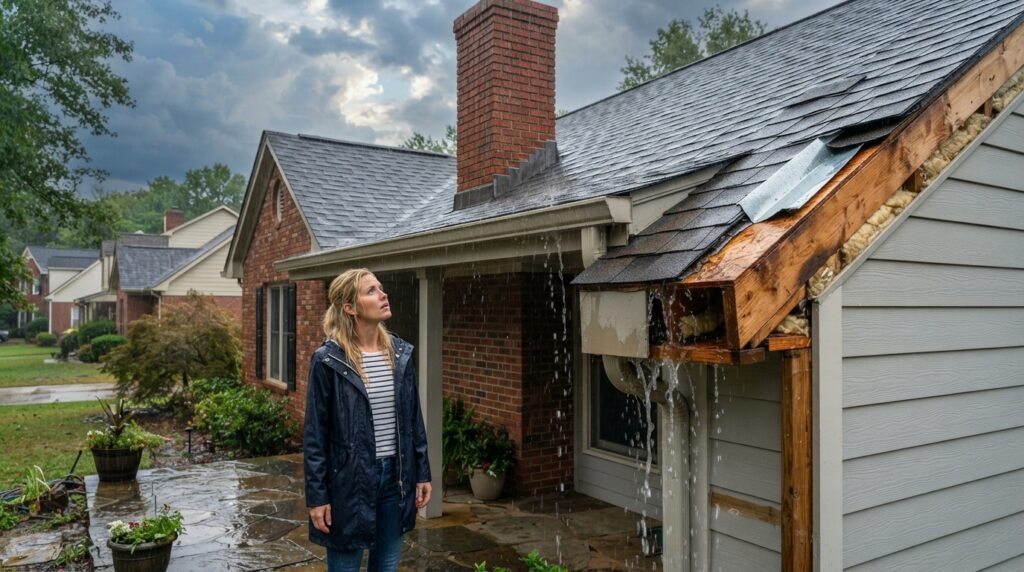
It takes more than shingles to make a good roofing system that keeps a house dry. Special attention must be taken at critical transition points, especially where chimneys join the roof, to install correctly engineered flashing systems that will carry rainfall safely down to the roof surface and away from susceptible building elements. One of the most important elements in this area is the chimney saddle or cricket that directs water around the uphill side of a chimney. Improperly designed, broken or poorly integrated flashing around the chimney saddle might allow rainfall to go directly into the soffit system instead of its intended drainage channel. This moisture incursion is typically undetected until major damage has already occurred because soffits hide elements of the roof structure. Understanding how incorrect flashing around chimney saddles directs water into soffits helps homeowners spot early warning signals, preserve structural framing and avoid expensive repairs to both the roof and external wall assemblies.
What Is the Purpose of a Chimney Saddle?
A chimney saddle is a little hipped roof on the windward side of a chimney where it comes through the roof. The major role is to separate and channel rainwater coming down the roof so that water is diverted to either side of the chimney and not behind it. A properly built saddle prevents water, snow, leaves and debris from accumulating against the rear of the chimney, making leaks and moisture incursion more likely. The saddle’s sloped diversion channel lowers water pressure on flashing components and helps preserve drainage efficiency during heavy rain.
The Role of Flashing at Chimneys
Flashing is a system of curved metal parts fitted wherever roofing materials meet vertical structures such as chimneys, walls or skylights. A watertight transition, flashing around a chimney, prevents rainfall from getting under the roof covering or shingles. Step flashing, counter flashing, base flashing and saddle flashing work together to direct water safely across the roof surface. Each part must be overlapped perfectly so that gravity will always pull the water outward, not inside the roof assembly. Even tiny installation mistakes can disrupt this drainage system and create concealed routes for water to enter the building.
How Does Improper Flashing Redirect Water?
A faulty flashing around a chimney saddle can be causing rainfall to take a different path than it is supposed to. Instead of remaining on the roof surface, water may run off under roofing materials through gaps, reversed overlaps, inadequately sealed joints, or missing portions of flashing. Once it gets under the shingles, water tends to run down the roof decking to lower structural elements. Moisture can travel a long distance before it reaches the soffit area around the edge of the roof, instead than showing up immediately inside the residence. This covert action often keeps it from being seen, thus the water infiltration can be repeated and unseen through numerous weather cycles.
Why Soffits Are Vulnerable
Soffits are installed under the roof overhang, providing ventilation and sheltering the underside of the roof structure from weather exposure. They are intended to withstand occasional dampness, not to be subject to continuous water from above. Improper flashing of chimney saddles will route water under the roof covering, and gravity will pull the moisture to the eaves where it finds entry into the soffit assembly. Wood framing, soffit panels, insulation and vent apertures can all become waterlogged with time. These areas are enclosed so any stored moisture tends to dry slowly, increasing the potential for wood degradation, mold growth and corrosion of nearby roofing components.
Initial Indicators of Hidden Water Entry
Water entering the soffit system through a bad chimney flashing frequently gives minor warning indications before any serious structural damage occurs. If you own a home, you might see paint peeling, discoloration or staining on soffit panels under the damaged area of your roof. Signs of hidden roof leaking include water patches along external walls or ceiling edges after it rains. Moisture that builds up in enclosed frame cavities sometimes can cause persistent musty odors in attic areas. In more severe cases, weakened timber, obvious fungal growth or drooping soffit materials may be present near the roof overhang. Recognizing these early signs permits repairs to take place before water travels into the rest of the surrounding roof structure.
Effect on roof framing and insulation
Moisture that gets under the roof covering repeatedly does significantly more damage than to the apparent soffit materials. The sheathing on the roof exposed to long periods of moisture may begin to gradually weaken structurally and may begin to delaminating or decay. Fungus is more likely to damage rafters, fascia boards and sections of roof framework that touch chronic wetness. Water uptake of roof edge insulation reduces its thermal performance and increases drying times in the attic. Metal fasteners and connectors are also susceptible to rusting in a moist environment. If the flashing problem is not corrected, these cumulative impacts can drastically diminish the long-term life of the roof system.
How to Diagnose Problems With Chimney Flashing
A proper diagnosis needs a detailed assessment of the outer roofing components as well as the hidden structural sections underneath. Roof inspections should include checking the quality of saddle flashing, step flashing, counter flashing and surrounding shingles for gaps, corrosion, or inappropriate overlap. Evidence of water staining, damp insulation or discolored roof sheathing inside the attic near the chimney frequently reveals active moisture penetration. Moisture meters and infrared thermal imaging may help to discover hidden wet areas without substantial destruction. Water stains on soffit ventilation apertures are also a good indicator of the direction of hidden moisture flow from above the roof.
Prevent Water Damage for the Long Haul
The first step in preventing water infiltration is to ensure that chimney saddles and flashing systems are planned, fitted, and maintained appropriately. All flashing components should be properly lapped to allow water to flow freely onto the roof surface rather than underneath. By checking your roof regularly you can identify degraded sealants, damaged flashing or loose roofing materials before they become leaks. Clearing up trash from valleys, gutters and roof surfaces increases drainage around chimney regions during heavy downpours. Promptly fixing even small flashing flaws greatly minimizes the chances of hidden moisture finding its way into soffits and roof framing. Homeowners who understand how poor flashing around chimney saddles can direct water straight into soffits can spot emerging drainage issues and protect structural elements from extended moisture exposure and maintain the longevity and weatherproofing of the entire roofing system.