Why LED Lights Flicker Exclusively During High-Amperage Appliance Cycles
Why LED Lights Flicker Exclusively During High-Amperage Appliance Cycles
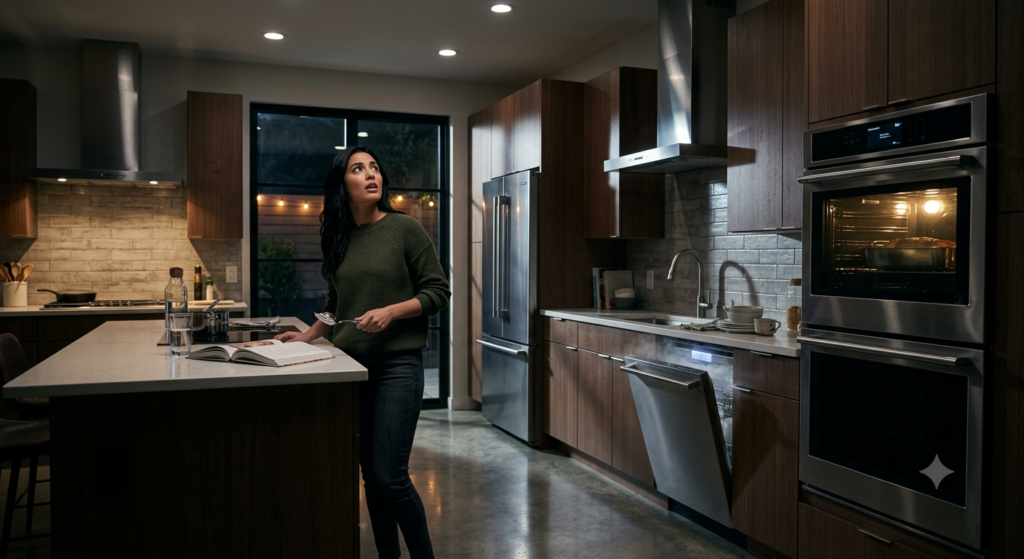
LED lighting is the go-to solution for contemporary houses thanks to its outstanding energy efficiency, extended lifespan and minimal maintenance needs. Despite these benefits, many homeowners report their LED lights flicker at times when certain high-amperage appliances are in use. Lights can be absolutely steady all day, then dip or flicker for a second as an air conditioner turns on, a refrigerator compressor cycles, or an electric dryer starts heating. While this is usually harmless activity, it can also be a sign of some electrical situations that bear watching. LEDs are far more sensitive to changes in a home’s electrical system than typical incandescent lights are. LEDs respond very immediately to modest changes in voltage. Knowing why LED lights flicker when a high-amperage device cycles can help homeowners differentiate between normal electrical operation and a wiring or power supply issue before it becomes a bigger problem.
How Do LED Lights Work?
LED lights do not use a heated filament for light like typical incandescent bulbs, but electronic driver circuits . These drivers need to convert incoming home alternating current to low-voltage direct current light-emitting LEDs. The electronics respond very well to variations in voltage, so even minor fluctuations in the electricity can impact the amount of light produced. These slight voltage differences are commonly masked by incandescent bulbs, whose heated filaments cool slowly, producing a smoother transition. LEDs, however, turn on almost rapidly and react similarly swiftly to any reduction or recovery in electrical voltage. They are quite sensitive and thus good indicators of any changes elsewhere in the home’s electrical system .
Why Appliances with High Amperage Drop the Voltage
High amperage appliances draw plenty of electrical current when they start up. Air conditioning compressors , electric water heaters , refrigerators , heat pumps , clothes dryers , and other similar equipment commonly demand much more current when starting than when running normally . This temporary surge in demand results in a momentary reduction in voltage across the electrical distribution system of the house. The voltage drop is normally very short , only a fraction of a second , but could be long enough for sensitive LED drivers to briefly dim or flicker . Once the appliance reaches normal working speed, the electrical demand stabilizes and the lighting returns to normal without additional interruption.
The Effect of Appliance Start Current
Most large appliances have what is called an inrush current when they start up. Electric motors require additional energy to overcome inertia before they achieve regular speed. The demand at any one moment in this short period may be several times the appliance’s continuous running current. Air conditioners and refrigeration compressors, in particular, are notorious for having large start-up loads. This temporary surge adds load to the home’s electrical system, creating a modest but noticeable voltage sag across connected circuits. LED lighting reacts instantly to these changes, and homeowners often notice flickering exactly when high-powered equipment begins.
Electrical Circuit Design & Voltage Drop
Whether you’ll notice LED flickering or not depends a lot on how a given home is wired. Long branch circuits, undersized wiring, weak electrical connections, or excessively loaded circuits increase electrical resistance and create more noticeable voltage drops while heavy appliances are running. Startup loads may affect surrounding lighting circuits more severely if lighting and high-amperage equipment use portions of the same electrical distribution channel. Even if the circuits are distinct, shared wiring in the main electrical panel or service entrance might conduct slight voltage swings throughout the house. Good circuit design minimizes these impacts by eliminating superfluous electrical resistance and appropriately balancing loads.
Why LED Driver Quality Matters
The quality of the driver varies a lot between brands, therefore not all LED lights react to voltage changes in the same manner. Higher end LED fixtures also usually have more complex electronic drivers that can adjust to a wider range of input voltages while still providing a constant amount of light. Less costly items frequently use simpler driver circuits that have only limited voltage regulation. This also means that inexpensive LED bulbs may be more prone to noticeable flickering when appliances cause temporary voltage drops. The quality of the internals (electronics) also affects the ability of the driver to filter electrical disturbances. Even if there are slight fluctuations in the voltage of the home’s electrical system, good LED products may greatly reduce the noticeable flicker.
When a Flickering Means a Bigger Electrical Issue
Many people view a brief, occasional flicker when appliances kick on as a natural feature of home electrical systems. But if flickering is ongoing or gets worse, it may suggest more serious electrical issues that need to be investigated. Overloaded circuits, loose wiring connections, decaying electrical terminals, breakers that are failing, or faults in the main service panel can all cause voltage variations to be too high. Problems with the electrical utility service might sometimes cause similar symptoms in many residences, but these are rare situations. If the flickering is occurring all over the house, even when no appliances are being used, or if it is accompanied by strange scents, buzzing sounds, or warm electrical components, you may want to have a professional evaluate it right away to ensure electrical safety.
Finding the source of the flicker
A proper diagnosis starts by determining when the flickering occurs and which lights are involved. Homeowners can check to see if the flicker happens every time air conditioners, refrigerators, well pumps or other high current devices are turned on. Whether all the lights flicker or only some on certain circuits adds additional clues regarding the origin of the voltage fluctuation. Inspecting electrical connections, evaluating circuit loading and measuring voltage at appliance startup will help to discover underlying reasons that are not immediately apparent. A rigorous examination eliminates the needless replacement of lighting goods when the real problem is somewhere else in the electrical system.
How to Avoid LED Flickering in the Future
So to stop LEDs from flickering, you need a steady electrical infrastructure that can handle the high amperage demand of appliances without large voltage swings. By keeping all the electrical connections tight, you minimize the resistance that leads to voltage drops. Balancing residential electrical loads properly across circuits reduces undue stress on particular branch circuits. Replacing old LED light bulbs for better quality versions with improved driver circuitry usually improves resilience to small voltage changes. Checking electrical panels, breakers and service connections on a regular basis also helps ensure dependable system performance over time. The correlation between appliance startup current and LED sensitivity will give homeowners the knowledge needed to differentiate between normal electrical activity and developing system faults so they can take proper maintenance actions to improve lighting performance and electrical reliability and to safeguard their appliances and lighting systems for years to come.