Diagnosing Hydrostatic Pressure Symptoms Before Visible Basement Flooding Occurs
Diagnosing Hydrostatic Pressure Symptoms Before Visible Basement Flooding Occurs
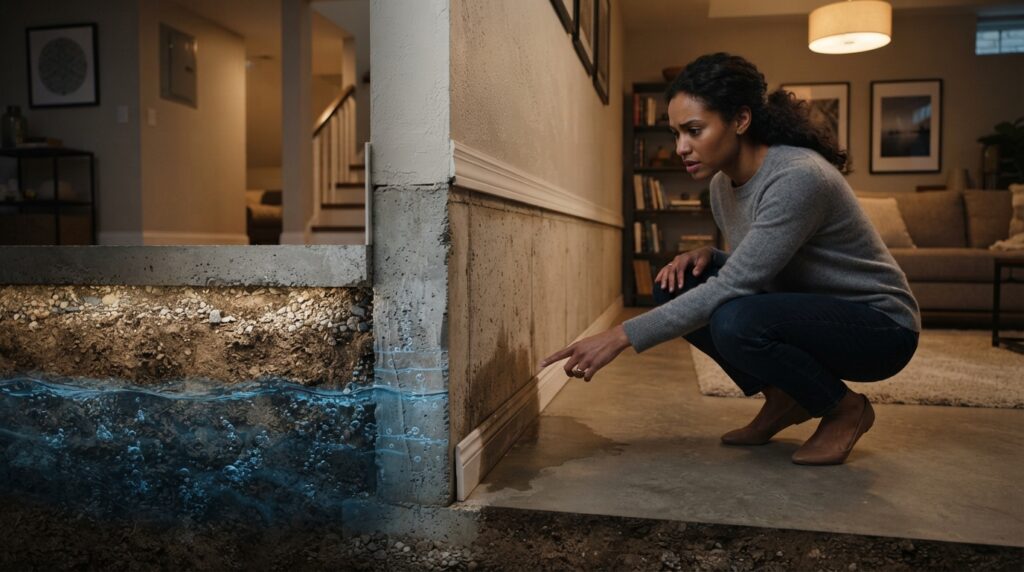
Hydrostatic pressure is one of the most critical pressures influencing residential foundations, but its early warning signs are typically ignored since they grow slowly and remain hidden well before standing water develops inside the basement. Many people assume foundation problems only develop once water is visibly flooding the property, but moisture damage sometimes begins months or even years before. As the groundwater pressure increases around the foundation it pulls moisture through small pores, mortar joints and tiny fractures in concrete walls and floors. Such small moisture migration may at first cause only minor visual changes, but often is a sign that the building envelope is under increasing stress. By recognizing the early signs of hydrostatic pressure homeowners can solve drainage issues before serious water damage, structural breakdown, mold growth, and costly foundation repairs are required. Understanding how hydrostatic pressure is created and how it influences basement building is critical to having a dry, lasting and structurally sound home.
Hydrostatic pressure explained
Hydrostatic pressure is the pressure of water pooled in the soil adjacent to a foundation. Heavy rain, quick snowmelt or over-watering can saturate the ground and cause groundwater to pile up against below-grade foundation walls. As the moisture in the soil grows, water is not easily compressed, and so is constantly exerting more and more pressure against the concrete or masonry surfaces. Surface runoff drains away freely, while hydrostatic pressure exists as long as the surrounding soil is saturated. This continual force encourages water to find any available route into the basement, such as pores in the concrete, building joints, utility penetrations and very microscopic structural flaws.
Water Movement Through Foundation Materials
Concrete and masonry foundations appear to be solid, but they are actually filled with millions of tiny pores and capillary tubes that allow limited amounts of moisture circulation. In typical settings, a little quantity of moisture passes through these materials. But as water pressure builds up, it pushes water little by little into the foundation wall and floor. Moisture migration by capillary action, diffusion or direct pressure may not cause obvious leaks. Water often moves slowly through building materials and reaches interior surfaces where it evaporates. Often this hidden migration occurs long before there is sufficient water to generate puddles or any evident flooding in the basement.
First Signs of Moisture
There are a number of subtle clues that often precede noticeable basement flooding. The first symptoms are moist or chilly patches on a wall, particularly after heavy rain. Homeowners may also see white mineral deposits, called efflorescence, appearing on concrete or masonry walls when dissolved salts remain behind after moisture evaporates. Paint separates from the foundation surfaces, or bubbles up, when moisture has gotten under the coating. A small patch of discolouration where the floor meets the wall is sometimes a sign of groundwater coming in through hidden routes. The symptoms can seem trivial but often are an indicator of increased hydrostatic pressure working against the foundation.
Indoor Humidity Variation
High levels of humidity in the basement frequently develop before any obvious water incursion is apparent. Moisture steadily migrates through the foundation materials and evaporates into the indoor air, raising the relative humidity throughout the basement. Homeowners may detect persistent musty odors, slower drying of stored objects or slight condensation on cool surfaces like pipes, windows or metal fixtures. Those environmental changes can even happen while the basement floor appears to be bone dry. With the increase in indoor humidity, conditions become suitable for mold to grow on wood framing, insulation, cardboard storage boxes and other organic materials located near foundation walls.
Structural Red Flags
Hydrostatic pressure impacts not just moisture level, but also the structural function of the foundation itself. With the continuous increase in the pressure in the groundwater, the minor foundation fractures are likely to expand or extend progressively with time. Sometimes hairline fractures at wall corners, along joints or seams of construction can be a sign of increasing external strain. In extreme circumstances, the walls may start to bow inwards somewhat or suffer localised displacement. When water is under the slab it might cause slight lifting or cracking of concrete floor slabs. Early detection of these structural issues enables for repairs to be made before more major foundation movement takes place.
How to Tell Hydrostatic Pressure from Plumbing Leaks
Hydrostatic pressure and failed plumbing introduce moisture into the basement . An precise diagnosis is required before any repairs can begin . Instead, hydrostatic pressure often leads to moisture during large rains or extended periods of wet weather, rather than year-round, continuous moisture. Moisture often appears around foundation walls or margins of floors and not around plumbing fixtures or supply lines. Water stains caused by groundwater intrusion often deposit minerals from the evaporating moisture. Careful inspection of plumbing systems and study of exterior drainage conditions are useful in differentiating between subterranean moisture and interior plumbing leaks that require separate remedial methods.
Methods for Hydrostatic Pressure Diagnosis
A comprehensive assessment includes evaluating the interior and exterior conditions of the home. Checking gutters, downspouts, grading and surface drainage can assist detect if excess water is collecting near the foundation. Moisture meters can detect excessive moisture levels in foundation walls before obvious water penetration is evident. Infrared thermal imaging can disclose information about hidden moist areas under finished basement surfaces. • Look for cracks in the foundation that are widening or lengthening. This may be a sign of increased pressure from the soil and a loss of structural integrity. A full understanding of how groundwater is interacting with the foundation system can be attained when these inspection approaches are used in combination.
Prevent Future Basement Water Problems
Controlling groundwater before it gets to the foundation is the first step in preventing hydrostatic pressure. Proper grading directs surface runoff away from the home. Clean gutters and longer downspouts limit the amount of roof water that reaches the surrounding land. Functional Perimeter Drainage Systems remove excess water from the foundation walls before a build-up occurs to relieve groundwater pressure. Additional moisture infiltration protection is provided by exterior waterproofing membranes and correctly sealed foundation penetrations. Proper basement ventilation and humidity control can assist discover moisture problems before structural damage occurs. Regular inspection of foundation walls, drainage systems and basement finishes can help address early warning indications. Knowing the symptoms of hydrostatic pressure before basement flooding is visible allows homeowners to detect moisture issues in their earliest stages, protect the structural integrity of their foundation, improve indoor air quality, and avoid the extensive repairs that often come with long-term water intrusion.