Why Efflorescence Forms on Interior Basement Walls During Dry Seasons
Why Efflorescence Forms on Interior Basement Walls During Dry Seasons
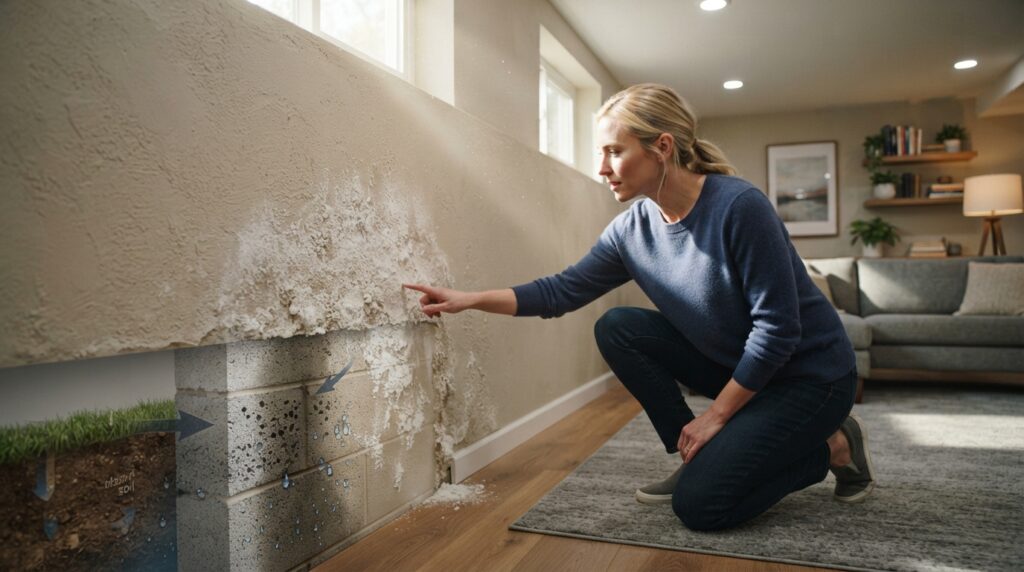
Efflorescence is one of the most prevalent symptoms of moisture moving through stone surfaces, but it often emerges when homeowners least expect it. A common assumption is that the white powdery deposits that might form on basement walls should only occur during wet weather or when the humidity is high. Remarkably, efflorescence is frequently more conspicuous in dry seasons despite few recent precipitation events. This apparent contradiction is explained by the fact that efflorescence development is not only a question of the presence of moisture, but also of the evaporation which leaves behind dissolved mineral salts. Water flowing through foundation walls will naturally carry soluble minerals included in concrete and masonry products. These minerals crystallize into visible white deposits as the moisture evaporates from the interior surface . Understanding why efflorescence occurs on interior basement walls during dry seasons can help homeowners discern between cosmetic mineral deposits and more serious moisture concerns as well as identify the underlying conditions that need to be addressed.
What is efflorescence?
Efflorescence is a crystalline deposit of mineral salts that are soluble in water that can form on the surface of concrete, brick, stone and masonry materials. Naturally occurring in cement, mortar and surrounding dirt. When moisture penetrates porous building materials it dissolves small quantities of these salts and transports them towards the surface through microscopic capillaries. As the moisture evaporates into the indoor air, the dissolved minerals are left behind to produce the recognizable white or light gray powdered coating. While efflorescence doesn’t normally damage the structure, it is a visual sign that moisture is flowing through the foundation wall.
Basement Walls and How They Allow Moisture to Move
Concrete and masonry foundation walls are porous materials with many small pores and linked channels. Water in the surrounding groundwater and soil moisture is always giving these pores chances to get in. Hydrostatic pressure, capillary action, and natural moisture diffusion slowly transport water through the wall to the inside surface. Sometimes even when the basement looks completely dry there is still some movement of moisture through the foundation, but at a rate not fast enough to cause obvious water intrusion. This concealed movement is the vehicle of transport that takes dissolved mineral salts to the wall surface.
Increased Visible Efflorescence in Dry Seasons
Dryer indoor humidity means faster evaporation, therefore efflorescence typically appears worse in dry weather. In wet seasons, incoming moisture may become trapped within the masonry, or may escape less readily because of the higher humidity. The drier the air becomes both outdoors and indoors, the more efficiently moisture will evaporate from the interior surface, leaving behind higher concentrations of mineral salts. The drying process exposes deposits that formed slowly over weeks or months prior. The increased efflorescence during dry seasons is probably due more to better circumstances of evaporation which exposes the minerals previously carried through the wall than to an increase in water intrusion.
Soluble Mineral Salts: Their Function
The white deposits from efflorescence are caused by naturally occurring soluble salts in building materials and adjacent soil. Calcium compounds, sulfates, carbonates and other mineral salts are rapidly dissolved by moisture. As the water passes through the foundation, these dissolved compounds are kept in suspension until evaporation takes place at the inner wall surface. As the water evaporates, these minerals crystallize into visible deposits that can be anything from a light powder to a more substantial crystalline formation. The amount of efflorescence will depend on the concentration of accessible salts, the amount of moisture passing through the wall and the pace of evaporation.
How Do You Tell the Difference Between Efflorescence and Mold?
Sometimes homeowners misinterpret efflorescence and mold since both might show up as surface discoloration on basement walls. Efflorescence is usually white, grey or slightly off-white with a dry, powdery or crystalline texture that can frequently be simply brushed off. Mold, however, can be black, green, brown or a number of other hues and is generally fuzzy or irregular looking. Efflorescence is not mold. There are no live organisms in efflorescence . Mold grows and spreads on dry surfaces . Correctly identifying the material helps determine if the issue concerns moisture migration through brickwork or biological growth resulting from high humidity.
Possible Structural Consequences
Efflorescence alone is usually considered a cosmetic concern, but it is a sign that moisture is flowing through the foundation wall. If the moisture migration continues it can potentially create other difficulties depending upon the root reason. Moisture over lengthy periods of time can deteriorate mortar joints, cause freeze-thaw damage in cold areas, and increase indoor humidity levels that can foster mold growth on adjoining organic materials. Moisture may slowly be wicked over a period of time via wood framing, insulation and finished basement walls near to damp brickwork. Thus the mineral deposits themselves are seldom a hazard to the structural integrity, but they do serve as a signal for a further analysis of the moisture source.
Diagnosis of Moisture Sources
Correct diagnosis starts with an assessment of inner symptoms and outside issues around the foundation. Inspect gutters, downspouts, grading, and surface drainage to see if excess water is collecting near the foundation wall. Moisture meters can detect increased moisture in the masonry and surrounding building materials, while infrared imaging can reveal hidden wet areas under completed surfaces. The pattern and location of efflorescence provide additional clues as to the water entry channels. By connecting what you see inside with what you see outside, you can find out where the moisture is coming from rather than just cleaning off the obvious mineral deposits.
How to Prevent Efflorescence in the Future
The long term preventative approach is to reduce the quantity of moisture entering the foundation, not just cure the surface deposits. Good grade around the house will move rainwater away from the foundation and good gutters and long downspouts will reduce the amount of water that collects near the basement walls. Additional measures such as exterior waterproofing systems, foundation drainage, and crack repairs prevent moisture penetration into masonry materials. In the basement, good air circulation and humidity management help things dry faster without causing condensation. Periodic cleaning of existing efflorescence can enable for the monitoring of new deposits and aid in detecting changes in moisture transport. Knowing the causes of efflorescence enables homeowners to identify it on interior basement walls during dry seasons as a critical sign of unseen moisture migration, to apply effective moisture management practices, and to help maintain the aesthetic and long-term structural integrity of their foundation system.