How to Repair Loose Wall Plugs and Anchors
How to Repair Loose Wall Plugs and Anchors
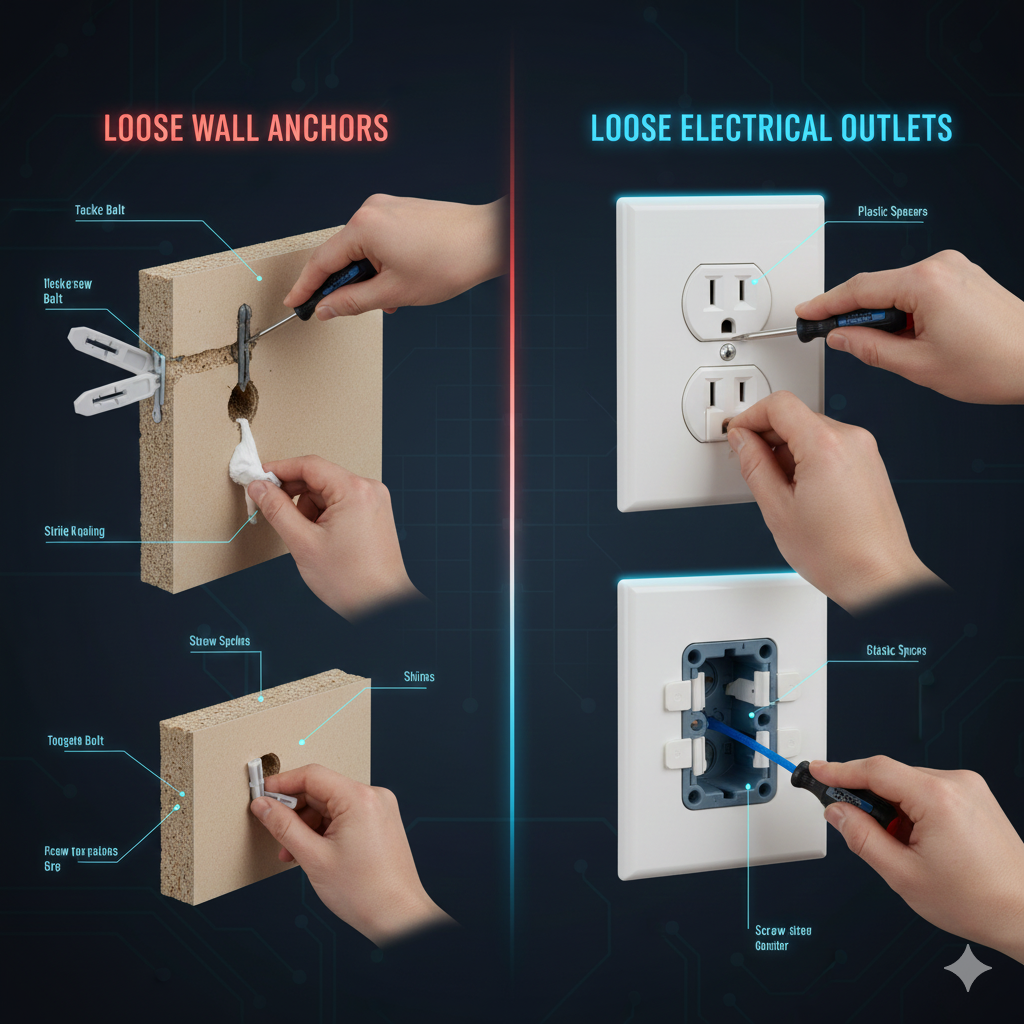
The wobbling or falling of objects such as shelves, picture frames, cabinets, and other mounted things may be caused by wall plugs and anchors that are not securely fastened. This problem often occurs in walls made of drywall, plaster, or masonry, particularly when the weight that is being supported exceeds the capacity of the anchor or when plugs deteriorate over the course of time. It is possible to avoid damaging the wall as well as the items that are being mounted if the issue is appropriately resolved, which also results in a firm attachment.
Finding the Explanation for Why Wall Plugs Become Loose
Repeated stress, vibration, or faults in the installation process are all potential causes of wall plugs becoming loose. Failure is often caused by the use of an inappropriate anchor for the kind of material used in the wall, the drilling of holes that are too large, or the installation of things that weigh more than the anchor’s rating allows.
Getting Rid of the Unsecured Anchor or Plug
Before you begin the repair process, you must take out the damaged plug or anchor. With the assistance of a pair of pliers, delicately extract it from the wall by pulling or twisting. It may be required to cut anchors that resist removal flush with the wall and then gently push them out from behind in order to remove them.
Using an Adequate Substance to Fill in the Hole
After the old plug has been taken out, the hole should be filled up so that it can provide a sturdy foundation for the installation of a new one. Spackle or lightweight filler may be used to fill in small holes that are present in drywall, but if the holes are in masonry or brick, they may need to be filled in with epoxy or a filler that is based on cement. For a firm grip, wait until the filler has fully dried.
Making a Hole That Is the Right Size
Once the filler has set, you will need to drill a new hole in which the wall plug may be placed. Make sure that the size of the plug corresponds to the diameter of the hole. It is possible to guarantee that the fit will be tight, which is of utmost importance when it comes to stability, by using a drill bit that is only a little bit smaller than the anchor.
Selecting an Appropriate Anchor for the Specific Wall Type
Each kind of wall needs a particular type of anchor. Plastic expansion plugs or toggle bolts are both effective options for securing drywall. In order to secure masonry walls, it is necessary to use metal or plastic anchors that are heavy-duty. The likelihood of loosening will be decreased and the distribution of weight will be done correctly if the appropriate anchor is used.
Ensuring the Stable Reinsertion of the Wall Plug
Make sure to insert the new plug into the hole that has been created, and do so with enough force to ensure a good fit. Make sure that it is not wobbling and that it is pushed so that it is level with the surface of the wall. In order for some plugs to seat properly, it may be necessary to give them a little tap with a hammer.
Ensuring the Correct and Safe Installation of Screws and Mounted Items
After the plug has been put into position, gently insert the screw and secure it. It is important to ensure that the object is held tightly enough by the plug, but overtightening should be avoided, since it may result in the plug being stripped or the wall being cracked. When it comes to things that weigh more, it is best to utilize a greater number of anchors in order to ensure that the weight is distributed equally.
The Use of Toggle or Molly Bolts for Weights That Are More Substantial
Toggle or molly bolts should be taken into consideration for use in the event that the object is really heavy. Because they grow behind the wall, these anchors are able to provide a more secure hold than traditional plugs. Cabinets, bookcases, and televisions that are installed on walls are perfect applications for them.
Verifying Stability Following Installation
Once it has been attached, carefully test the item in order to confirm that it is properly fastened. To verify that the wall plug is securely in place, gently press or pull it. If any movement is seen, reconsider the kind of anchor or the filler that was used, as well as the hole itself.
Preserving Wall Anchors Across a Period of Time
Over time, wall anchors might become loose due to continuous usage or vibrations. Regularly check for any heavy-mounted objects and tighten any screws that need it. Maintenance is reduced and long-term stability is ensured by using high-quality screws and anchors right from the beginning.
Preparing for Upcoming Renovations or Improvements
When it comes to wall-mounted objects that are regularly changed or have a greater weight, think about adding wall plates or wooden support underneath the drywall. This offers further assistance and prevents anchor failures from doing more harm over and over again.