Water Hammer Fixes: Stopping the Loud Bang in Pipes When Shutting Off Faucets
Water Hammer Fixes: Stopping the Loud Bang in Pipes When Shutting Off Faucets
The term “water hammer” refers to a typical plumbing problem that occurs when you turn off a faucet and hear a loud slamming sound coming from your pipes. It is common for people to misinterpret this abrupt noise as a significant structural issue inside the house since it may be rather shocking. As a matter of fact, water hammer happens when the flow of water is suddenly interrupted, which results in a pressure spike that passes through the pipes. By causing the pipes to move or vibrate, this shockwave is responsible for producing the distinctive hammering sound. Repeated water hammering may cause long-term damage, including loose pipe fittings, leaks, and even pipe failure, despite the fact that it may first seem to be innocuous without any consequences. In order to keep a plumbing system that is both safe and effective, it is vital to have a solid understanding of the phenomena that causes it and the solution to the problem. If you take the appropriate steps, you will be able to get rid of the noise and safeguard your house from potentially damaging harm.
Recognizing the Factors That Contribute to Water Hammer
The phenomenon known as water hammer occurs when there is an abrupt shift in the velocity of the water inside the plumbing system. A sudden closing of a faucet or valve results in the water that is flowing having nowhere to go, which causes a spike in pressure. The high-velocity pressure wave that goes through the pipes causes them to vibrate or collide with the buildings that are located in the surrounding area. Systems that have high water pressure or lengthy pipe lines are more likely to experience the impact to a greater degree. It is also possible for contemporary appliances like washing machines and dishwashers to be a contributor to the problem because of the fast-closing valves that they have. Having an understanding of this fundamental process is helpful in determining the cause of the noise and determining where to concentrate repair efforts.
High water pressure has an important role.
One of the most important factors that serves to amplify the impacts of water hammer is an excessively high water pressure. When water is forced to flow through pipes at a greater pressure, the force that is created when the water abruptly ceases flowing is far more powerful. This results in an increase in the strength of the shockwave as well as the noise that it produces. The presence of high pressure not only makes water hammer more severe, but it also places extra strain on the plumbing as a whole. The installation of a pressure regulator or the modification of the settings that are already in place may assist in the maintenance of safe pressure levels, therefore lowering both noise and the amount of long-term wear on pipes and fittings.
unsecured or inadequately secured pipes
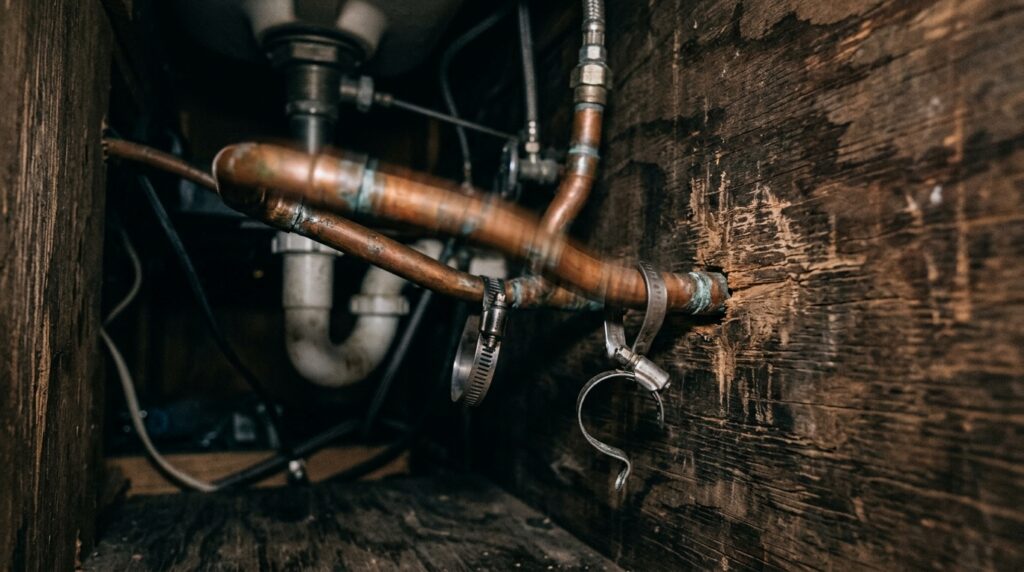
During a pressure spike, pipes that are not securely fastened are more likely to move about than pipes that are properly secured. It is possible for these unsecured pipes to knock against walls, floors, or other structural features when water hammer occurs, which may magnify the noise. As time passes, this movement has the potential to produce leaks and loosen joints. Placing pipes in the appropriate clamps or brackets helps to stabilize them and reduces the amount of vibration they experience. This simple solution has the potential to drastically lessen the noise and stop any more harm from occurring to the plumbing system.
The Role of Air Chambers and Their Significance
The design of many plumbing systems has air chambers, which serve as cushions to absorb pressure spikes. In these chambers, air is confined, and when a shockwave travels through them, the air compresses, so lowering the force of the shockwave. At the same time, however, these air pockets have the potential to get saturated with water, making them ineffectual over time. When something like this occurs, the system loses its capacity to absorb pressure variations, which ultimately results in water noise. It is typically possible to repair the problem and restore the cushioning effect of the air chambers by draining the system and restarting it.
Installing Arrestors for Water Hammer Technique
Absorbing pressure surges and preventing pipe movement are the primary functions of water hammer arrestors, which are specialized devices. These devices, in contrast to conventional air chambers, make use of a mechanism that is vacuum-sealed and continues to function effectively over time. It is possible to considerably minimize or eliminate the pounding noise by installing arrestors in close proximity to problem regions, such as fast-closing valves or appliances. In contemporary plumbing systems, where rapid valve shuts are quite prevalent, they are especially valuable because of their versatility. In the event that water hammer problems continue to exist, this treatment offers a remedy that is dependable and long-lasting.
What Effects Do Valves That Close Quickly Have?
One of the most prominent causes of water hammer is the presence of equipment and fixtures that have valves that close quickly. Nearly instantaneously, these valves stop the flow of water, which results in a rapid increase in pressure. Typical examples are household appliances such as washing machines, dishwashers, and some contemporary faucets. The force of the shockwave that this causes is proportional to the speed at which the valve shuts. It may be possible to lessen the severity of water hammer by either replacement or adjustment of these valves so that they shut more gently. This strategy, when combined with other potential solutions, may provide the most favorable outcomes in certain circumstances.
Instructions for Immediate Relief in Step-by-Step Format
Approaching the problem of water hammer often requires a mix of several practical approaches. Beginning with the reduction of water pressure, the tightening of loose pipes, and the restoration of air chambers are all powerful beginning points. The installation of water hammer arrestors offers extra safety, particularly in regions that are considered to be high-risk. Not only does it assist to stabilize the system, but it also helps to check for old or defective valves and replace them when required. It is possible to swiftly minimize noise and avoid additional damage with these focused remedies, which makes them solutions that are accessible to the majority of homes.
Maintenance of the System and Long-Term Preventative Measures
In order to avoid water hammer, it is necessary to pay consistent attention to the state of your plumbing system and its overall performance. The identification of loose pipes, pressure difficulties, or malfunctioning components via routine inspections helps to prevent these issues from developing into more significant problems. Contributing to the overall stability of the system is the maintenance of the appropriate water pressure and the guarantee that all fixtures function without any hiccups. Investing in high-quality components and having them professionally installed is another way to cut down on the likelihood of recurrent problems. You may prevent the disruptive impacts of water hammer in the future by adopting a proactive approach, which will allow you to maintain a plumbing system that is both quiet and efficient over the years.