Why Warm Air Comes Out of Your AC Vents for the First 5 Minutes of Cycling
Why Warm Air Comes Out of Your AC Vents for the First 5 Minutes of Cycling
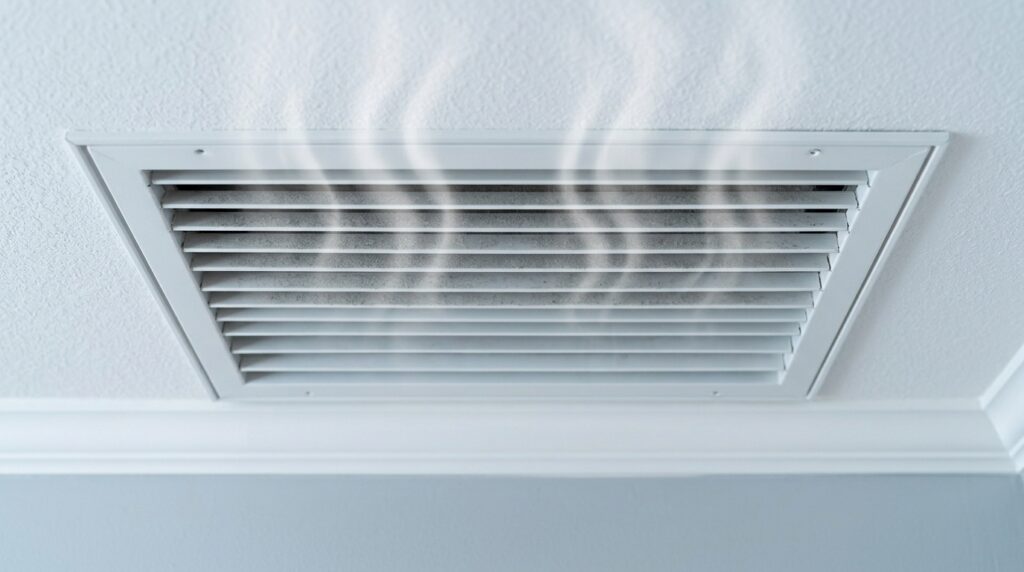
The fact that your air conditioner starts up yet blows warm air for the first few minutes before converting to chilly air might be a source of confusion and frustration for you. Many homeowners are under the impression that the system is not performing properly; nevertheless, in the majority of instances, this behavior is associated with the natural cycling of the system and the dynamics of the airflow. After starting up, an air conditioning system is required to go through a brief stabilization period, during which the temperature of the ducts, the pressure of the refrigerant, and the functioning of the compressor all begin to equalize. When this shift takes place, the first thing that is expelled is the warm air that has been resting within the ducts until now. The air that has been suitably cooled will not start to flow through the vents until the cooling cycle has been in full operation. Having an understanding of this process allows one to differentiate between the typical behavior of a startup and true mechanical difficulties that may necessitate repairs.
What is the beginning of the cooling cycle for air conditioning systems?
The production of cold air does not occur immediately after the activation of an air conditioner. Before anything else, the system has to turn on the compressor, which is the component that is in charge of moving the refrigerant through the coils. This particular refrigerant requires a brief period of time in order to achieve the ideal amounts of pressure and temperature for efficient heat transfer. At precisely the same moment, the blower fan, which is located within, starts to force air through the exhaust system. It is not yet possible to cool this first airflow since the ducts already contain air that has been resting at room temperature or slightly warmer than that. In consequence of this, the first air that you feel coming from the vents is often either neutral or warm before the cooling process reaches a stable state.
An Analysis of the Function of Residual Heat in Air Ducts
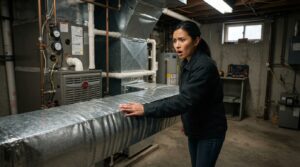
Remaining heat that is retained within the ductwork is one of the primary causes of warm air when the system is first started up. During times when the air conditioner is turned off, the air within the ducts naturally warms up owing to the temperature of the surrounding space as well as the heat from the walls or ceilings that are in the vicinity. When the system is restarted, the warm air is the first thing that is expelled into the surroundings of the room. Depending on the length of the ducts, the quality of the insulation, and the amount of time that the system has been inactive, the duration of this warm airflow might vary. Inadequately insulated ducts have a tendency to retain more heat, which increases the likelihood that the warm air phase will last somewhat longer than anticipated.
Pressure Stabilization and Delay Techniques for Compressors
When operated, the compressor does not immediately attain its maximum efficiency, despite the fact that it is the “heart” of the cooling system. A significant number of contemporary air conditioning systems are equipped with a delay mechanism that enables them to safeguard the compressor from the detrimental effects of fast cycling. During this brief pause, the internal pressures are able to become more stable before the complete circulation of refrigerant starts. There is a possibility that the blower is already operating during this time period; however, the cooling impact has not yet shown. This causes the compressor to briefly circulate air that is either heated or at room temperature until it achieves the ideal working parameters.
Position of the Thermostat and Temperature Lag Adjustment
Although thermostats play an important part in the regulation of air conditioning cycles, it is not always the case that they are precisely coordinated with the circumstances of the room. It is possible that the air conditioning system will be activated before the rest of the room has adequately warmed up if the thermostat is situated in a warmer region or in close proximity to sources of heat. There is a possibility that this may result in a momentary mismatch between the anticipated and actual cooling output. In addition, there is usually a tiny delay between the time that the thermostat indicates that the system is cooling down and the time that the system really provides a response. It is because of this latency that there is a short period of heated air during the beginning process.
An Effect of Airflow Delay and the Length of the Ductwork
The design of the ductwork and the length of the ducting have a major impact on the rate at which cooled air comes into contact with various rooms. The air in bigger houses must first travel via lengthy ducts before it can reach vents that are farther away. Prior to the arrival of fresh cooled air, it is necessary for the air that is currently present inside the system to be completely clean. In addition, if the ducts are not well insulated, they may also take heat from the buildings that are located around them, which may further delay the cooling effect. This particular combination of travel distance and heat absorption is a contributor to the first warm airflow that is detected during the ignition process.
Whenever Warm Air Betrays the Presence of a Possible Problem
While it is common for there to be a transient flow of warm air, prolonged periods of warm air may be an indication of a more serious problem. If the system continues to blast warm air for more than a few minutes, it may indicate that the quantities of refrigerant are low, that the compressor is malfunctioning, or that there is limited airflow. Additionally, dirty air filters may impair the effectiveness of the system, which in turn delays the shift to cold air. In some circumstances, the compressor may not engage correctly due to electrical problems or capacitors that are not functioning properly. Monitoring the length of time that warm airflow is present and how consistent it is helps assess whether or not the system is functioning correctly or if it needs to be serviced.
What Effect Does Maintenance Have on the Performance of Startups?
Regular maintenance is a crucial factor in determining how soon an air conditioning system may go from producing warm air to producing cold air. There are a number of factors that contribute to quicker cooling reaction times, including clean filters, correctly charged refrigerant levels, and well-maintained coils. The accumulation of dust and debris may impede airflow and decrease the effectiveness of heat exchange, hence extending the duration of the warm air phase. The maintenance of the system on a regular basis helps to maintain maximum performance and reduces the amount of time it takes to start up.
The Influence of Outdoor Temperatures on the Initial Cooling Process
Additionally, the external temperature conditions have an impact on the rate at which an air conditioning system starts to supply cool air. During periods of excessive heat, the system is required to exert more effort in order to remove surplus thermal energy from components located both within and outside. This may result in a little extension of the amount of time necessary for the refrigerant to attain the desired level of thermal efficiency. On the other hand, when temperatures are moderate, the shift from warm to chilly air tends to occur more rapidly. As a result, seasonal fluctuations play a function that is not only subtle but also significant in the behavior of startups.
In contrast to normal behavior, system dysfunction
When it comes to appropriate diagnosis, it is necessary to have a solid understanding of the difference between a typical starting delay and a genuine fault. In most systems, it is typical to anticipate a quick burst of warm air that lasts for a few minutes. It is possible that deeper mechanical problems are present if the air continues to be heated or if it varies in an unpredictable manner. Monitoring the behavior of the system on a consistent basis helps uncover patterns that differentiate ordinary operation from failures that might really occur. Detection of anomalies at an early stage may help avoid more severe damage and need more expensive repairs.
Improved Air Conditioning Performance Over the Long Term
Maintaining the system and making modifications to the surrounding environment are both necessary steps in improving the overall operation of air conditioning. It is possible to achieve smoother starting cycles by properly insulating ducts, replacing filters on a regular basis, and tuning the thermostat. Reducing strain and improving reaction time are two additional benefits that come from ensuring that the system is of an adequate size for the residence. Homeowners may obtain more consistent cooling performance throughout the whole cycle by maintaining these settings, which will allow them to reduce delays caused by warm air.