Why the Wall Around Your Shower Feels Spongy (And How to Check for Hidden Rot)
Why the Wall Around Your Shower Feels Spongy (And How to Check for Hidden Rot)
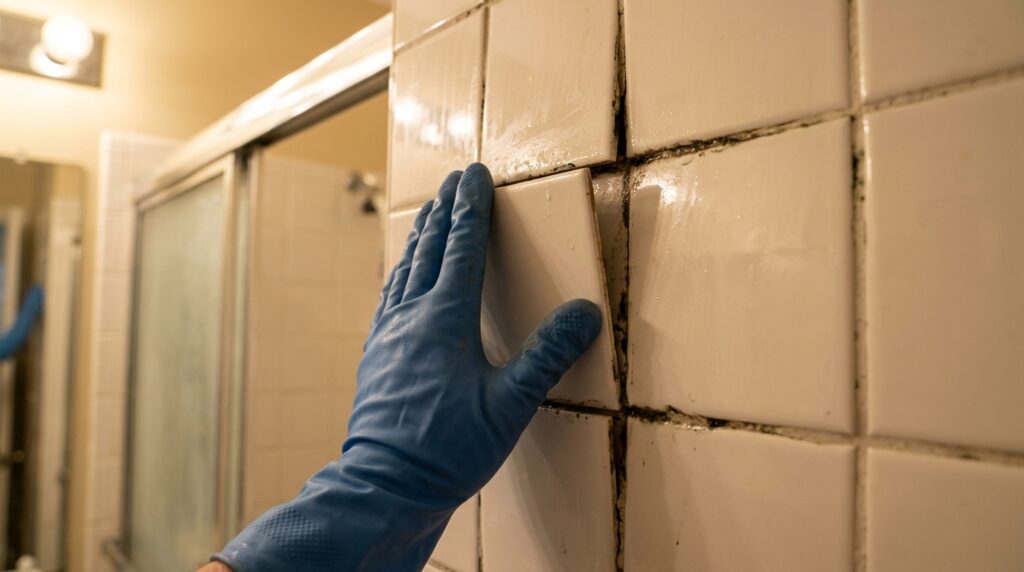
One of the most serious warning flags in a bathroom is a sensation that is similar to sponges or softness in the wall surrounding your shower. On the other hand, a squishy wall is often an indication of concealed moisture damage that is taking place below the tiles or wallboard. Surface-level concerns, such as peeling paint or grout discolouration, are another example. As water seeps in via minor cracks, broken seals, or weakened grout lines, this issue often manifests itself gradually over the course of time. The wall cavity gets saturated with moisture over time, which causes the structural elements to become weakened and results in the distinctive “spongy” texture that is created when the wall is squeezed. It is uncommon for this condition to be only cosmetic; rather, it often indicates more serious problems, such as rot, mold development, or backing board that is degrading. It is crucial to have a thorough understanding of the reasons and to acquire the skills necessary to conduct an accurate inspection of the damage in order to avoid expensive structural repairs and to keep the bathroom environment safe.
How the Water Seeps Through the Walls of the Shower Over Time
As a result of their continual exposure to water, steam, and humidity, shower walls are very susceptible to the introduction of moisture vapor. Even in systems that have been placed correctly, it is possible for grout lines, silicone seals, or tile joints to develop minute gaps over the course of time. Due to the presence of these minute pores, water is able to penetrate under the top layer during normal usage. With the tile backer board and the wall framework in place, moisture is able to get trapped after it has entered the interior. Due to the fact that this location is not particularly well-suited for rapid drying, water may persist for lengthy periods of time. As a result of this ongoing exposure, the materials progressively become more fragile, which ultimately results in their softening and eventual structural failure.
Failure of Grout and Sealant: What Role Does It Play?
The principal barriers that prevent water from penetrating shower walls are grout and silicone sealants. There are also other obstacles. These materials, on the other hand, naturally deteriorate over time as a result of continual contact to moisture, cleaning agents, and variations in temperature. The presence of cracked grout lines or silicone that is peeling results in the creation of direct paths via which water may penetrate the wall system. Even minute quantities of water may build behind the tiles after these protective layers have failed to function properly. When this delayed infiltration occurs, it is sometimes not observed until the appearance of physical signs such as sponginess or discolouration. In order to avoid damage that will last for a long time, it is essential to do routine inspections and maintenance on grout and seals.
Why Drywall and Backer Board Start to Deteriorate and Deteriorate
It is common practice to create the walls behind shower tiles using cement backer board or drywall that is resistant to moisture. Furthermore, despite the fact that these materials are meant to withstand a certain amount of humidity, they are not waterproof. Water that frequently penetrates the surface causes the board to begin to absorb moisture, which ultimately results in the board losing its structural integrity. When exposed to humidity for an extended period of time, dry wall, in particular, experiences a softening, crumbling, and unstable state. Additionally, the joints or edges of cement boards are susceptible to deterioration. When you push on the surface of the wall, you will feel a sense of sponginess because the material is becoming weaker.
Mould Growth Concealed Behind the Walls of the Shower
The growth of mold is one of the most critical outcomes that might result from the presence of concealed moisture. Conditions that are excellent for the formation of mold include areas behind shower walls that are dark, wet, and have little ventilation. Mold, once it has begun to spread, not only causes harm to the materials used in construction, but it also adds to unpleasant aromas and may cause issues over the quality of the air within the structure. Because it forms under tiles or wall coverings, mold development may conceal itself for extended periods of time in many instances. Having a texture that is spongy is often an indirect indication that mold may already be present inside the hollow of the wall.
How to Conduct a Risk-Free Inspection for Hidden Rot
In order to detect any latent rot, it is necessary to approach the task with caution and procedure. Application of light pressure to various portions of the shower wall might assist in locating regions of the wall that are susceptible to damage. A surface that is soft, pliable, or sinks when subjected to pressure is an indication of harm that lies under the surface. Additional warning indications include discoloration along grout lines, bubbling paint on neighboring walls, and a musty odor that persists for an extended period of time. When the situation is further advanced, removing a tiny portion of caulking or tile edge may show material that is moist or has degraded below. When it comes to averting significant structural damage, early diagnosis is very essential.
An Analysis of the Relationship Between Ventilation and Moisture Damage
It is substantially more likely that moisture will accumulate within the shower walls if the ventilation in the bathroom is inadequate. This causes condensation to build on surfaces because the steam from showers stays in the area for longer periods of time if there is not enough ventilation. This recurrent exposure to moisture over time adds to the progressive seepage of moisture into the materials that make up the wall. Having exhaust fans that are either too small, blocked, or not utilized too often makes the situation much worse. A decrease in humidity levels and a slowing of the growth of concealed water damage are both benefits of improving ventilation.
When it would be necessary to do structural repairs
It is no longer adequate to do surface-level repairs if the wall has already established a spongy texture. Under these circumstances, it is usually necessary to open the affected region and conduct an inspection from the inside. It is necessary to remove and repair any damaged drywall or backer board in order to restore the structural integrity of the building. It is also necessary to adequately treat any mold that is present under the surface before restoration can begin. Ignoring these repairs may cause the damage to spread farther into the walls and floors of the surrounding area, which will ultimately result in an increase in the expenses of repairs.
The Prevention of Damage to Shower Walls Over the Long Term
For the purpose of preventing future problems, it is necessary to perform maintenance, ventilation, and sealing in the appropriate manner. It is helpful to maintain a robust moisture barrier by performing routine inspections of grout lines and resealing joints every so often. In order to prevent condensation and decrease the accumulation of humidity in the bathroom, it is important to maintain a steady airflow. Utilizing materials that are resistant to water during restorations is another way to increase durability. It is possible for homeowners to considerably minimize the danger of concealed rot and preserve the structural soundness of shower walls over the long term if they maintain these preventative measures.