Diagnosing Slow Sink Drainage Caused by Inverted Horizontal Trap Arm Slope Modifications
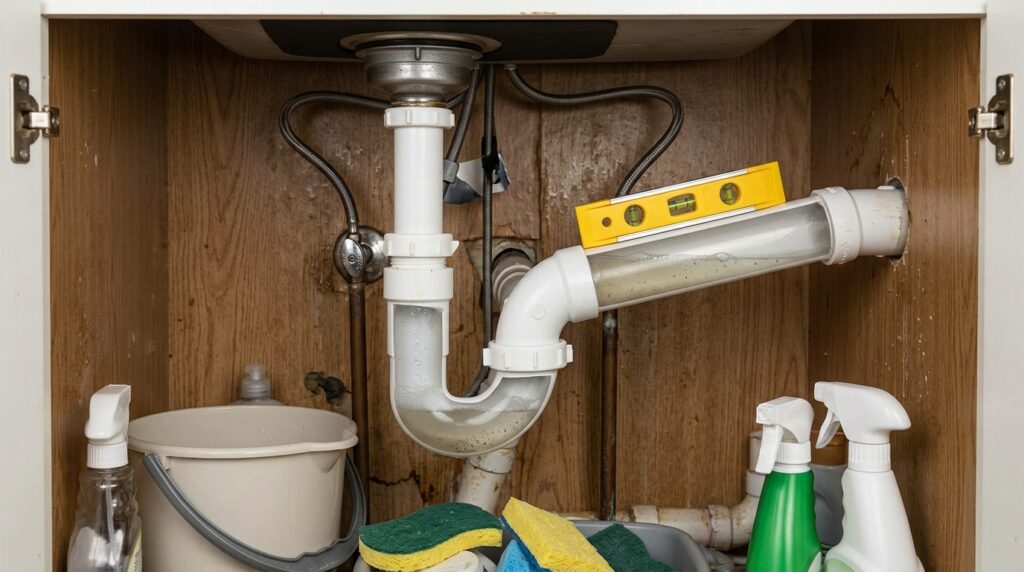
Diagnosing Slow Sink Drainage Caused by Inverted Horizontal Trap Arm Slope Modifications
A sink that drains slowly even with a clean strainer, a scrubbed trap and the use of a plunger is one of the most aggravating plumbing mysteries in a home. Too often individuals grab for a chemical cleaner or call a drain cleaning service only to see the sluggish flow reappear days or weeks later. If that cycle continues, the issue may not be a blockage at all, but rather the shape of the drain itself. The horizontal pipe , or trap arm , that runs from the trap to the wall or vent connection is pitched slightly downward so gravity will keep the water and solids going . A redesign, a new vanity, a lowered sink or a fast do-it-yourself repair can inadvertently reverse the slope. This page discusses how to build a trap arm, why an inverted slope slows drainage, what alterations cause it, and how to diagnose and rectify it.
The Horizontal Trap Arm – What It Is and How To Bent It
The trap arm is the segment of the drain pipe that starts at the outflow of the trap and extends to the wall where it links to the vent and the main branch drain. It is designed to carry away the wastewater from the fixture and allow air from the vent to equalize the pressure behind the moving water. Most plumbing rules require a downward slope of about one quarter inch each foot, so a four foot arm should drop around one inch from the trap to the wall. That smooth slope is a fine balance. If the pitch is too low, sediments will settle in the pipe; if it is too high, water will run ahead, leaving waste behind. Codes also limit the length of the trap arm for each pipe size, typically five to six feet for a one and a half inch drain, to protect the water seal inside the trap.
How an inverted slope slows water flow and holds waste
If the slope is inverted, the trap arm rises toward the wall, so the pipe pitches back toward the trap, rather than away from it. Gravity then acts against the flow and the waste water has to fill the low point and rise before it can continue. After every use, the pipe has a persistent pool of standing water, which adds resistance and slows the next discharge. Grease, soap-suds, hair and bits of food become caught in the pool where the current is too weak to carry them on. Gradually these deposits cement to form a narrow channel, reducing the effective diameter of the pipe and further retarding drainage. Even a minor reverse pitch of an eighth of an inch per foot can cause long-lasting difficulties in a horizontal run.
Remodeling: Do-It-Yourself and Common Changes That Reverse the Pitch
When someone fixes the plumbing, you will likely see slope difficulties. If the height of a vanity is changed to a taller or shorter one, the relation of the height of the trap to the wall stub can be changed. The installer may compensate by bending the pipe or forcing the fittings together. Changing a pedestal sink to a cabinet, adding a garbage disposal or replacing a sink bowl with a deeper one raises or lowers the trap outlet and affects the available drop. Accessibility remodels that lower a sink, or a kitchen island that shifts a drain across the room, typically leave an arm that is too long and too flat. Flexible accordion pipes and lightly supported plastic parts can also droop between hangers, causing a dip or reverse pitch. Another common cause is an unrecorded repair by a former owner, with the problem perhaps lurking inside the cabinet for years.
Warning signs that you may have a slope problem (not a clog)
A slope problem is likely to be different from a regular blockage. After a remodel, the drain may be sluggish from day one. After being cleaned, it may never return totally. Water typically runs out slowly and steadily rather than stopping suddenly; a gurgling noise may attend each discharge as trapped air forces its way past the water that has gathered. The smell often coming from the cabinet, the moisture around the joints, and a ring of residue on the interior of the pipe suggest that waste is remaining, not going. Another hint is the timing. If a clogged sink recurs within a week of a professional cleaning, it usually indicates a structural problem with the way the pipes are laid out. If other fixtures on the same branch drain well, the problem is generally isolated to that arm.
Why Standard Drain Cleaning Won’t Fix the Problem Permanently
They are snaking . Chemical cleaners and enzyme treatments can help remove existing buildup but they can not fix the cause that the buildup is forming . A drain auger may punch through a partial blockage and temporarily restore normal flow, giving the impression that the problem has been handled. The same low place is filled in with sediment within weeks and the cycle starts again. Strong chemical compounds also create hazards. They might sit in the pooled water, weaken plastic fittings and corrode metal equipment. The inside of the pipe might get scratched from repeated mechanical cleaning and create rough patches that catch debris easier. Treating the symptom without evaluating the cause is a waste of time and money and delays a lasting remedy. A decent rule of thumb is that if clearing the line only helps for a short time, mistrust geometry.
How Length of Trap Arm, Fixture Height and Venting Influence Diagnosis
It is good to evaluate the other factors affecting drainage before blaming the slope alone. A blocked or missing vent can create slow draining and gurgling that sounds very much like a slope defect, because water can’t move freely without air behind it. A trap arm that is excessively long, too steep or linked too far from the vent might also siphon the trap or leave waste behind. The height of the fixture is important in that it dictates how much vertical drop there is between the trap outlet and the wall connection. If the height is too low, installers push the arm flat or tilt it up to reach the stub. Checking vent function, measuring arm length and noting the wall stub height gives you a better picture of what the pipe is really doing.
Diagnostic Tests in Practice Using Water, Camera and Level
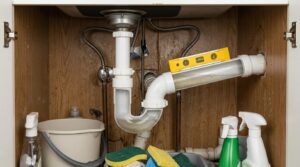
For a straightforward diagnostic, lay a tiny level on top of the trap arm. Start at the trap outlet, read the bubble and work toward the wall, noting if the pipe falls, runs flat or climbs. A digital or laser level makes the reading easier in a confined cabinet. Next, remove the trap, put some measured water down the arm and see if any water is left in the pipe instead of draining away. You can mark the waterline with a pencil on a clear portion to help identify low regions, or shine a flashlight within the pipe. If the problem continues, a plumber can run a small camera through the line to show pooled water, residue and drooping parts. Take pictures. They can be useful in conversations with a contractor.
Troubleshooting, Plumbing Problems & When to Call a Plumber
The right fix depends on the layout’s available room. For the simplest circumstances, you cut out the bent or drooping piece and replace it with rigid tubing adding hangers every few feet to reestablish a regular downward slope. If the wall stub is too tall, the plumber can either lower the stub or reroute the arm, which may involve opening the wall behind the cabinet. In other cases, cutting the arm short, relocating the sink, or constructing a properly vented connection is a more elegant fix than just modifying the pipe. Do not use flexible corrugated tubing for the horizontal run since it will droop quickly and accumulate debris. When drain lines are modified, local codes and permits may apply so check requirements before commencing. Involving walls, vents or shared branch lines, a qualified plumber is the safest bet.