Why Exterior Paint Bubbles Exclusively on Sun-Exposed Facades
Why Exterior Paint Bubbles Exclusively on Sun-Exposed Facades
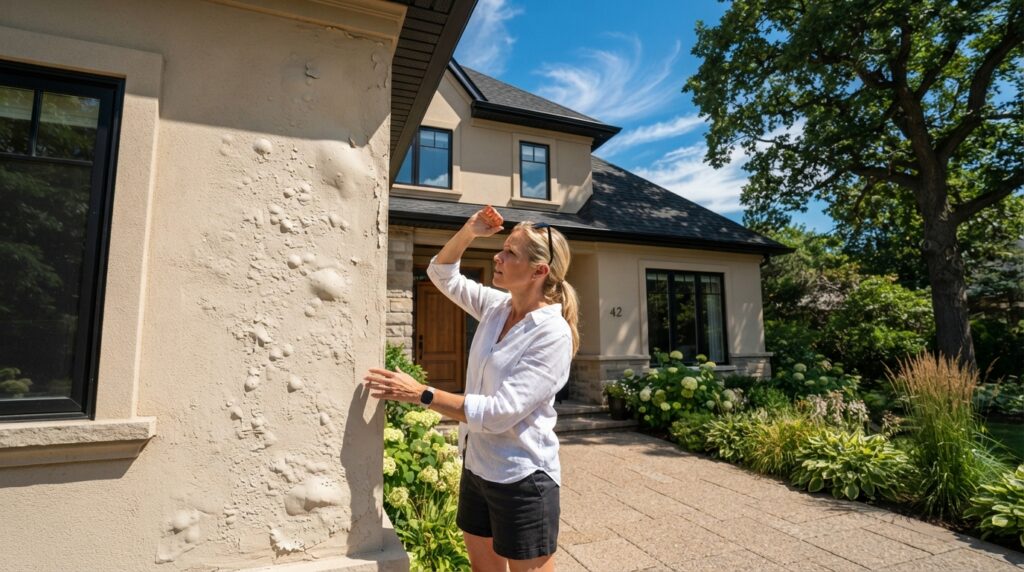
Exterior paint is designed to protect a home’s siding from moisture, UV rays and fluctuating weather conditions, keeping it looking good for years. But sometimes, homeowners find that the bubbling paint is just on the walls that get direct sunshine, while the shaded areas are in great shape. This uneven pattern often gives the impression that the paint itself is damaged, although the real cause is usually a matter of heat, moisture and surface preparation rather than the coating alone. The sun-exposed facades are subject to much greater surface temperatures than the shaded parts, which adds even more stress to the paint layer and construction materials beneath the surface. With each daily weather cycle, heat and moisture react, and localized paint defects begin to show. By knowing why only the sun-facing walls develop paint bubbles, homeowners can discover the real cause of the problem and use permanent repair options, instead of continuously repainting the afflicted regions.
Why does paint bubble?
Paint bubbling is the phenomenon whereby parts of the paint coating lose their attachment to the underlying surface, forming elevated blisters filled with air, moisture or vapor. The bubbles are caused by pressure building up under the paint film, which forces it away from the substrate. Depending on the etiology, the blister may remain intact for a while before breaking and peeling. Moisture ingress is often blamed for bubbling, however adhesion failure can also occur due to extreme heat and incorrect application circumstances. The first step in deciding on the proper repair approach is to find out if the bubbles are due to entrapped moisture or just a failure of the coating.
Why do sun-exposed walls have more stress?
The walls that are in direct sunlight have substantially higher temperature swings than the shaded areas of the building. Dark-colored siding and external finishes can get much hotter than the ambient air on warm afternoons. The rapid heating causes the building components and the coating of paint to expand. As temperatures drop in the evening, they contract again. Repeated expansion and contraction slowly stressed the link between the paint and the substrate. If moisture is already present underneath the covering, the extra heat will hasten the creation of vapor, raising the pressure within until bubbles are formed. Sun-facing facades are thus subject to more severe circumstances than places shielded from direct sun radiation.
Moisture Under Paint
Moisture is one of the biggest causes of exterior paint bubbling. Water may enter the wall system through minor fractures, unsealed seams, failing caulking or porous building materials. If moisture is trapped under the paint, it stays hidden until the solar heat makes the wall warm up. As the water heats up , some of it turns to vapor , and the vapor pressure under the paint film builds . The vapor is trapped by the covering, and isolated blisters start to form on the surface. This process typically explains why bubbling increases in intensity after sunny weather, despite the moisture initially entering during rain or periods of increased humidity.
Impact of Surface Preparation on Paint Performance
The surface must be properly prepared to ensure good paint adherence in different environmental conditions. Loose paint, dirt, chalking, mildew and any moisture left on the surface will stop a new coating from sticking to the substance underneath. Painting wet siding or before prior applications are entirely cured results in less than ideal adherence. Poorly bonded paint removes more readily from the substrate than correctly prepared coatings when the wall surface is regularly expanded by sun warmth. Even the best exterior paint can’t make up for inadequate washing, sanding, priming or drying before the paint is applied. Proper preparation offers far better protection against bubbling of sun exposed surfaces.
Effects of Paint Application Conditions
Weather conditions while painting have a long term effect on durability of a coating. Exterior paint can dry on the outer surface considerably faster than the underlying film if it is in direct sunshine or on surfaces that are too hot. If the curing is uneven solvents or moisture can be trapped under the surface generating conditions conducive to subsequent blistering. Painting just before a storm or in humid conditions might potentially seal too much moisture under the paint. Generally, manufacturers recommend applying paint within certain temperature and humidity limits. These conditions allow the paint to cure and adhere long term. Failure to follow these instructions raises the possibility of early paint failure.
Identifying Early Signs Before Effervescence Spreads
A lot of bubbling on the outside of the house doesn’t happen without some quite modest warning indications. If you see little raised areas, isolated discoloration, or a slight loss of glossiness on sun-exposed walls, it could be an early sign that the adhesion is beginning to fail. Hairline cracks around joints, windows or trim can sometimes allow moisture to get under the paint long before any noticeable blistering occurs. Soft or damp siding underneath the afflicted sections may also indicate moisture problems underneath. By regularly inspecting the walls that receive the most afternoon sun, you will be able to recognize these early signs before larger portions of paint begin to come off the building surface.
Determining the Underlying Cause
Successful repairs do not involve replacing the damage coating, but finding the reason for the paint failure. By examining the wall for moisture penetration, deteriorating caulking, damaged flashing or drainage difficulties you can locate probable locations of water entrance. Looking at the actual blister can provide you more indications, as moisture-filled bubbles can be different from those created primarily by heat or poor adherence. Measure the wall for moisture before repainting to be sure the substrate is dry enough to hold a new covering. If you look at the way the paint was applied in the past and how it was exposed to the elements, it will help to make a more accurate diagnosis and cut down on the chance of the bubbling happening again once the repairs are made.
How to Prevent Future Paint Bubbles
To avoid problems down the line, you need to minimize moisture and temperature-related stressors before applying new paint. Cracks need to be repaired, failing sealants need to be replaced, and flashing around windows and doors needs to be done correctly to keep water from getting into wall assemblies. Exterior surfaces should be cleaned well, allowed to dry completely and primed where necessary, before repainting. Sun-facing walls will be more durable if painted with a good quality exterior paint designed for ultraviolet exposure and thermal expansion. When painting under the required weather conditions, the paint will cure properly and adhere strongly. Routine maintenance such as inspecting caulking, siding and drainage systems on a periodic basis will allow problems to be repaired before moisture becomes trapped under the paint. Homeowners who know what causes exterior paint to bubble just on the sunny sides of houses can use focused maintenance to keep their home’s outside finishes looking good, and protecting their homes long-term.