Galvanic Corrosion in Residential Plumbing: When Copper Meets Galvanized Steel
Galvanic Corrosion in Residential Plumbing: When Copper Meets Galvanized Steel
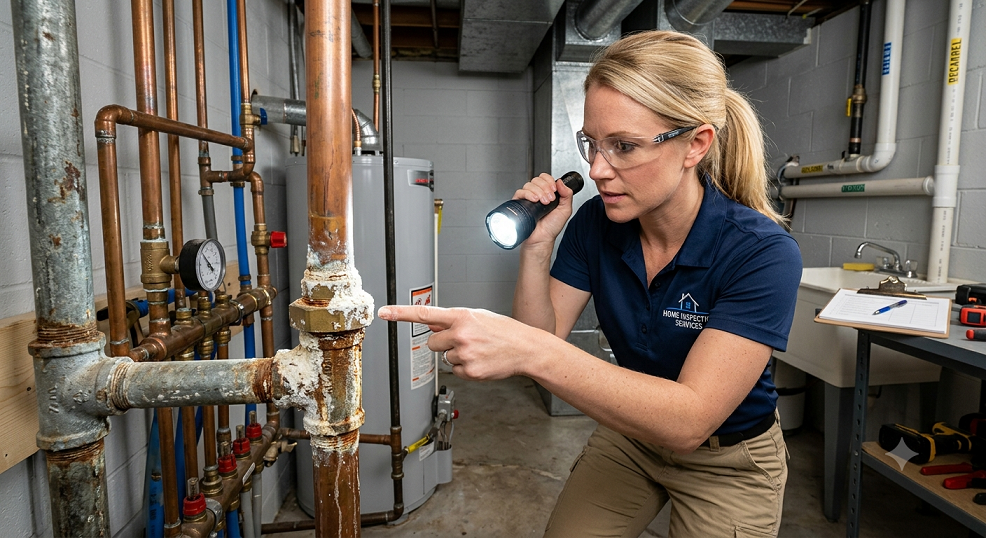
The plumbing systems in residential homes are built to last decades, but, the interaction between different metals can gradually shorten their service life. One of the most common, yet least known problems is galvanic corrosion. It’s a chemical reaction that takes place when two different metals are in close contact with the presence of water. Homes with both copper and galvanized steel pipes are particularly vulnerable if the two types of metal are linked improperly. Years may pass before the system functions normally. But long before there are any visible symptoms, corrosion is steadily forming on the pipes and fittings. This silent process generally leads to reduced water flow, leaks, rusty water, and premature pipe failure. Knowing how copper reacts when it touches galvanized steel can help homeowners spot early signs of galvanic corrosion and decide whether to repair or replace. The key to increasing the life of the entire plumbing system is frequently to prevent direct contact between the metals.
Understanding the Science of Galvanic Corrosion
Galvanic Corrosion Galvanic corrosion is an electrochemical reaction that happens when two dissimilar metals (or alloys) are electrically linked and immersed in an electrolyte (water). Metals differ in their electrical potentials ; that is , some metals give off electrons more readily than others . When copper and galvanized steel are joined, the galvanized steel becomes the less noble metal and corrodes at a faster pace. The water flowing in the plumbing system completes the electrical circuit that makes this reaction continue. The damaged parts gradually weaken after years of constant exposure, although the process is slow. Internal corrosion might be difficult to detect until it leads to performance issues or obvious damage.
Why Copper and Galvanized Steel Behave Differently
Copper is a very corrosion resistant metal that performs well in household plumbing throughout a wide range of water conditions. Galvanized steel , on the other hand , is coated with a layer of zinc , which protects the steel underneath from rusting . If these two materials are in direct touch the zinc covering will be sacrificed to safeguard the more noble copper. As the zinc covering wears away, the exposed steel starts to rust much more rapidly. This difference in electrochemical activity explains why galvanized fittings are often found to be failing while adjacent copper piping is still in pretty good shape. Given the right conditions , the more different the electrical characteristics of the two metals , the more vigorous the galvanic response .
How Water Speeds Up the Corrosion Process
Water is very important in galvanic corrosion as it is the electrolyte for the electrochemical reaction. Each time water runs through connected copper and galvanized steel pipes, it helps transfer electrical charges from one metal to the other. The chemical makeup of the water also determines the rate of corrosion. The pace of deterioration is normally accelerated by water with increased concentrations of dissolved minerals, salts or oxygen. Temperature is also a factor in the process, with hotter water often increasing the rate of corrosion compared to cooler water. Because water is always flowing through household plumbing systems, even small galvanic responses can cause severe damage over the long term of regular use.
Identifying The Early Signs Of Galvanic Corrosion
The first signs of galvanic corrosion generally occur gradually and can be mistaken for normal aging. One of the most prevalent signs is a decrease in water pressure as corrosion products develop inside galvanized pipes, causing a restriction of the flow of water. Homeowners may also notice rusty or discolored water, especially after the plumbing has been idle for several hours. Threaded fittings are susceptible to little leaks as the metal might corrode. Sometimes white or green mineral deposits appear on the outside of pipe connectors indicating where moisture is leaking out of microscopic holes. If these warning signs are detected early, repairs can be addressed before widespread plumbing breakdown.
Importance of Correct Pipe Fitting Methods
Connecting copper piping directly to galvanized steel produces excellent conditions for galvanic corrosion. Plumbing systems commonly use dielectric unions or other authorized transition fittings to prevent this reaction by electrically isolating the two metals . These unique connections interrupt the electrical path needed for galvanic corrosion but nevertheless provide a waterproof connection. In new plumbing , plumbers may replace galvanized parts with like materials to avoid the possibility of later corrosion . Proper installation techniques are as crucial as selecting the right materials. Even high quality pipes might fail prematurely if they are not linked correctly. By paying close attention to where transitions occur, the life of mixed metal plumbing systems can be greatly enhanced.
Factors that Increase the Risk of Corrosion
Several environmental and installation conditions affect the development of galvanic corrosion. High mineral concentrations in hard water tend to encourage the production of scale which can either lead to accelerated or more complex corrosion depending on the local conditions. If the chemistry of the water is bad, if the oxygen content is high, and if the temperature is high, the metal will decay more rapidly. Larger copper sections directly attached to smaller galvanized steel fittings generate a greater imbalance between the two metals leading to increased corrosion rates. Water in plumbing systems provides an environment conducive to electrochemical reactions. Even tiny design choices made at the time of installation might influence the rate of corrosion, a major maintenance problem.
REMEDIES FOR AFFECTED PLUMBING SYSTEMS
The damage created by galvanic corrosion is a sight to behold, and repairing it usually entails more than merely changing a leaking fitting. Some areas of corroded galvanized pipe may already have extensive rust buildup on the interior that continues to limit water flow even after localized leaks are rectified. Copper , cross-linked polyethylene or other piping materials compatible with the original system are often more reliable long-term replacements for damaged components . When dissimilar metals are needed in the same system, correctly constructed dielectric fittings can assist avoid further corrosion at connection points. When doing repairs, evaluating the surrounding regions for hidden deterioration guarantees that further weak spots are discovered before they turn into bigger issues that require emergency plumbing work.
Avoiding Future Galvanic Corrosion
Careful plumbing design and the right material selection can prevent galvanic corrosion. The best strategy to prevent against this electrochemical reaction that causes rapid corrosion is to avoid direct contact of copper with galvanized steel. Longer lasting plumbing systems are achieved by using certified transition fittings, balancing water chemistry, and replacing old galvanized piping before it deteriorates significantly. Regular inspections can detect the early signs of corrosion before leaks or water pressure problems get serious. Since many older homes still have mixed-metal plumbing systems, understanding how galvanic corrosion occurs enables homeowners to plan preventive maintenance instead of reacting to unanticipated failures. Proper installation procedures and continued monitoring may keep household plumbing systems efficient, reliable and structurally sound for many years.