Differentiating Between Truss Uplift and Interior Wall Settlement
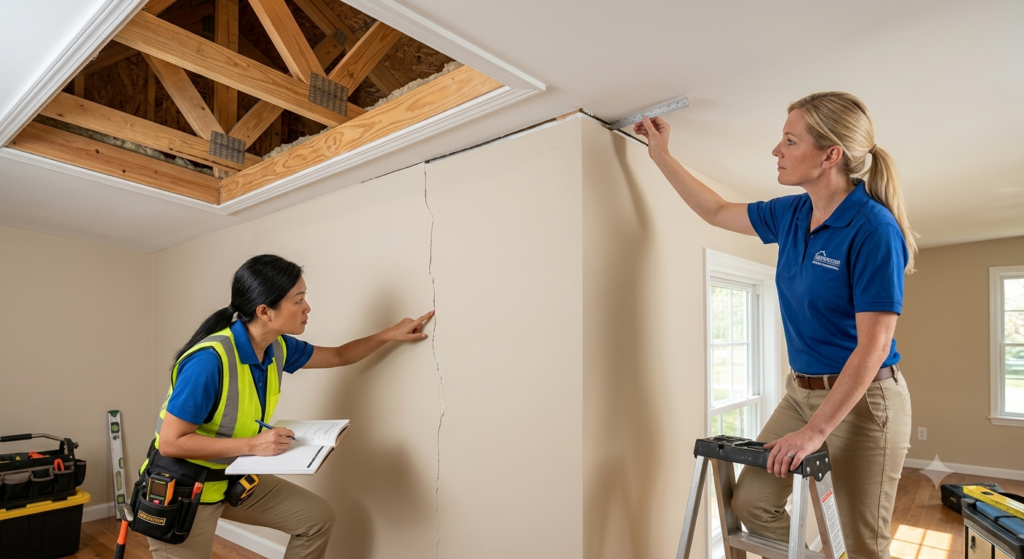
Differentiating Between Truss Uplift and Interior Wall Settlement
Homeowners frequently fear that cracks in the corners where interior walls meet ceilings mean structural failure, but not every visible gap is a major hazard. Truss uplift and inner wall settlement are two of the most common sources of these alterations. The symptoms can be cosmetically similar, but these two disorders arise from quite different causes and need to be assessed and repaired differently. The most common cause of truss uplift is due to seasonal moisture and temperature fluctuations influencing roof trusses. Interior wall settlement is usually connected to the movement or compression of structural elements that support the walls . Knowing the difference between these two states is important in order to make the correct repair options. Misdiagnosis of the problem could lead to multiple cosmetic fixes that fail in a short time. By understanding the process of each of these, homeowners may pinpoint the real source of movement and preserve the long term function of their home.
What is Truss Uplift?
Truss uplift is a seasonal building movement when roof trusses react differentially to changes in moisture and temperature. The higher parts of attic trusses are dry throughout the colder months because they are in cold, relatively low-humidity air. The lower chords are exposed to warmer, more humid indoor circumstances which lead them to absorb additional moisture. This small expansion of the lower members modifies the geometry of the truss and allows the center of the truss to be lifted up. This movement often pulls the ceiling drywall away from inner partition walls which are not load bearing. The movement is normally minor but it becomes apparent through fractures or gaps where walls and ceilings meet.
Causes of Interior Wall Settlement
Interior wall settling occurs when the structure of the wall sinks lower throughout the years. This type of movement might be caused by wood shrinkage, slow compression of structural members, little foundation movement or natural settling that takes place after construction. The truss is uplifted by seasonal environmental circumstances, but usually settlement is caused by the building gradually adjusting to the long-term structural stresses. In many homes, a modest amount of settling is considered normal in the initial few years of construction. A high rate of settlement might also be a sign of structural problems that need additional study. As walls move down relative to the ceiling fractures and gaps may become noticeable, particularly around corners, door frames and ceiling joints.
The Impact of Seasonal Variations on Truss Uplift
Seasonal behavior is one of the fundamental characteristics of truss uplift. Many homeowners notice the cracks in their ceilings more so during the winter months and then they see them partially disappear when the weather warms up. This pattern repeats due of the change in attic conditions throughout the year. Cold outside air decreases moisture in the upper regions of roof trusses while hot inside air maintains a greater relative humidity near the lower members of the truss. The different circumstances in the surroundings result in a non-uniform expansion of the truss with upward movement around the middle span. During other seasons, when temperatures become more moderate and humidity levels even out, the truss will slowly start to move back into its original position. This periodic cycle separates truss uplift from persistent structural settlement.
What Are the Typical Signs of Truss Uplift
There are a few visible cues that can help you distinguish truss uplift from structural settlement. The cracks are usually at the junction of inner partition walls and the ceilings instead of outer walls. It is usually a straight horizontal line, widening in the winter and narrowing with the changing of seasons. Homeowners may observe ceiling drywall pulling away somewhat from the top of interior walls while doors and windows function normally. Floors are generally flat and large structural flaws are frequently absent. Roof trusses are designed to extend across the outer walls without relying on inner partitions for support. Seasonal movement impacts esthetic finishes rather than the building’s structural integrity itself.
Recognizing Interior Wall Settlement Symptoms
Interior wall settling typically has a different set of symptoms than truss lifting. Cracks may also form vertically or diagonally from doors, windows or ceiling corners, not just wall-to-ceiling connectors. Doors may stick, floors may slope slightly, trim may separate from surrounding surfaces. Unlike seasonal truss uplift, settlement related fissures are often apparent year round and can slowly grow over time. If it’s caused by foundation movement, you may also notice other warning signals, such uneven flooring, increasing cracks in the wall or gaps around windows. The findings indicate that more structural investigation may be required before cosmetic modifications are attempted.
Why Monitoring Movement Matters Over Time
Knowing how cracks change over the year is useful when assessing their underlying cause. Truss uplift is the most common cause of a break in the ceiling that is wider and more noticeable in winter and less so in the hot months. On the other hand, if fractures are widening steadily regardless of seasonal conditions, this may suggest ongoing settlement or some other structural problem. By taking dated images and frequently monitoring crack widths, homeowners can detect movement patterns that would otherwise be impossible to discover. Both problems advance over time and can look very much alike in the outset . Often , long-term observation is more telling than a single check . Regular monitoring can lead to a more accurate diagnosis before big repairs are needed.
Fixing approaches for each condition
Since truss uplift and inner wall settling are due to separate processes, repair procedures differ as well. Truss uplift cosmetic repairs typically require the use of flexible joint solutions or specialist drywall attachment methods that accommodate seasonal movement without the occurrence of recurring cracking. Other things that can limit future damage is to fasten ceiling drywall only to the roof truss near impacted regions and not to non-load bearing walls. But interior wall settlement necessitates that the structural source of the movement be identified and corrected prior to repairs to the finishes. Cosmetic repairs alone are unlikely to persist without correcting foundation movement, framing compression or support concerns. The selection of the proper repair method depends solely on the right diagnosis of the source of the visible cracks.
Preventing misdiagnosis and unnecessary repairs in the future
Understanding the difference between truss uplift and inner wall movement can prevent homeowners from extra stress and unneeded repairs. Not every fracture in the ceiling is a structural issue, just as not every cosmetic separation can go disregarded forever. Checking for seasonal movement, looking at the status of structures around it and noting where the cracks are all help make an accurate diagnosis. Managing indoor humidity, adequate attic ventilation and monitoring changes over time can limit the impact of truss uplift without affecting the function of the structure. The need for a quick structural inspection becomes greater when settling indications transcend beyond cosmetic finishes. Understanding the unique characteristics of each issue allows homeowners to choose repair options that address the underlying cause of movement and not just the obvious symptoms.