Fixing Rust on Indoor Metal Fixtures Permanently
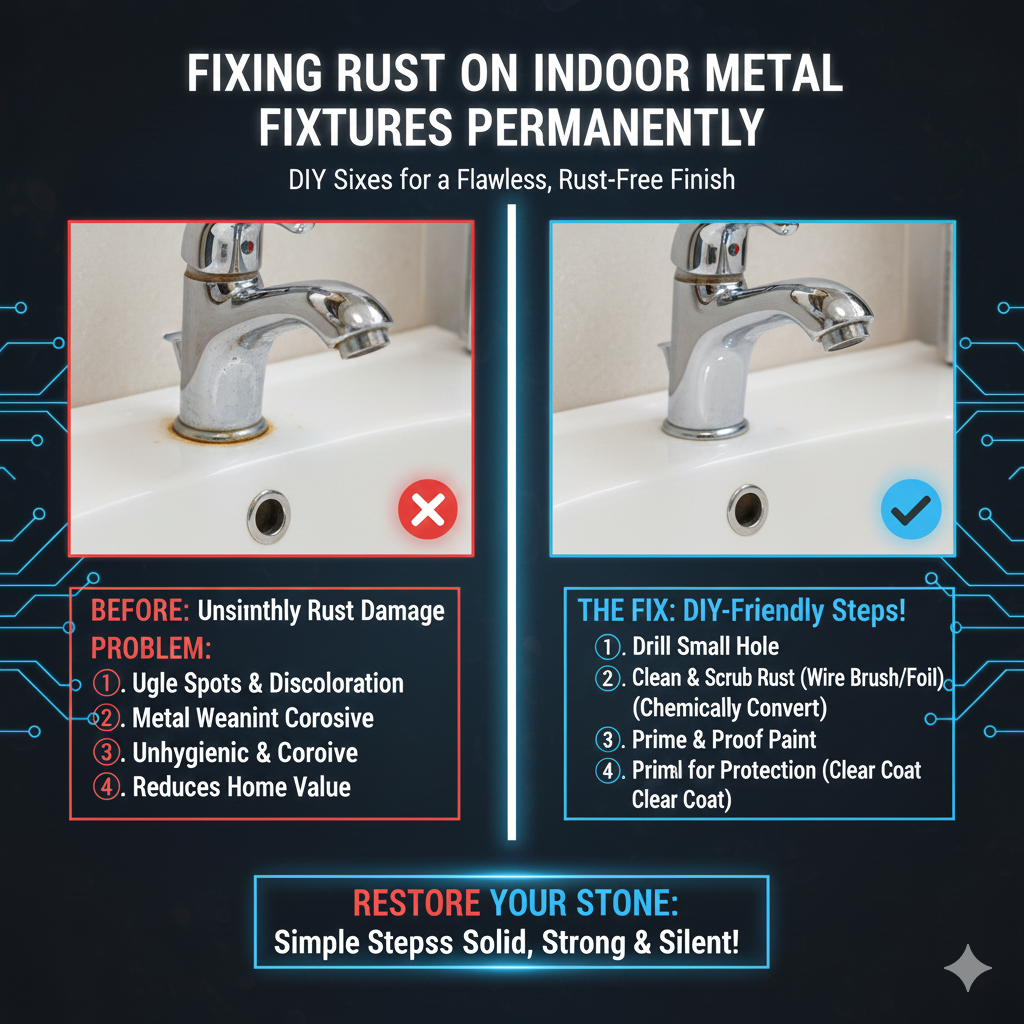
Fixing Rust on Indoor Metal Fixtures Permanently
Rust that forms on metal fixtures within a home not only gives them an unattractive appearance, but it may also, over time, cause the structure of the furniture, handles, or ornamental items to become more fragile. In order to deal with rust in an efficient manner, it is necessary to both remove any current corrosion and protect the metal against any potential exposure to moisture and air in the future.
Finding Out the Reasons Behind the Development of Rust Indoors
The presence of humidity, condensation, water splashes, or inadequate ventilation may cause metal surfaces to rust even while they are within a building. In particular, the fixtures found in bathrooms, kitchens, and basements are at a higher risk. Preventing such incidents is much easier when the origin of the moisture is known.
Carefully and Completely Cleaning the Rusted Region
To begin, use a moist cloth to wipe the fixture, therefore eliminating dust and any other loose particles. In the case of difficult grime or grease, a light detergent should be used. In order for rust removal chemicals to adhere successfully, the surface must be clean.
Tools That Remove Surface Rust Using Abrasive Techniques
In order to delicately eliminate rust from metal, you should use sandpaper, steel wool, or a wire brush. If the rust is very little, then a mild abrasive pad will do the job. However, if the corrosion is severe, then coarser instruments may be necessary. In order to prevent the metal from being scratched in an unnecessary manner, it is important to work cautiously and to always use gloves for protection.
Implementing Rust Converters to Achieve Greater Levels of Protection
The process of chemical transformation carried out by rust converters changes the leftover rust into a stable substance. Follow the manufacturer’s directions for application, and then let it dry. In addition to neutralizing rust, this also prepares the surface for painting or sealing.
Applying Metal Primers in conjunction with Protective Coatings
The application of a metal primer to the surface after the rust has been removed will prevent moisture from coming into contact with the surface. When the primer is completely dry, finish off the project with a layer of paint, enamel, or clear protective coatings in order to provide a durable barrier against the effects of rust.
Polishing and Buffing Decorative or Stainless Steel Metals
Polishing can restore the sheen of any ornamental or stainless steel metals, and it will also provide a protective coating. To achieve consistent coating, polish the metal using circular movements with a soft cloth.
Decreasing the Humidity Level in Your Home
Rust is mostly caused by the presence of moisture. The installation of exhaust fans in regions with high humidity, the use of dehumidifiers, or the improvement of ventilation may all help prevent corrosion from occurring in the future.
Steering Clear of Water Directly
It is important to prevent water from pooling on metal fixtures by cleaning away any splashes that occur, utilizing mats or trays in areas where water accumulates, and limiting the amount of time that the fixtures are exposed to steam or moisture.
Routine Upkeep and Examinations
Check for any early indications of rust on metal fixtures on a regular basis. Minor blemishes may be dealt with immediately so that they do not evolve into more significant issues of corrosion. The lifespan of metal objects that are located inside may be increased by performing routine maintenance.
How to Install New Components in Place of Those That Are Badly Corroded
If the metal’s structural integrity has been weakened by the presence of rust, it may be more prudent to replace it in the long run. In order to achieve durability, choose materials that are resistant to corrosion, such as stainless steel, brass, or powder-coated metals.
Applying a layer of sealant or wax in order to provide additional protection
The application of a thin coating of wax or clear sealer after the process of cleaning and painting provides an additional protective barrier. This coating creates a barrier that keeps moisture from getting to the metal, which lowers the likelihood that rust may develop in the future.
Informing Family Members About Medical Treatment
Every person in the house is required to participate in the prevention of rust. The act of carefully wiping off fixtures, ensuring that bathrooms are well-ventilated, and exercising caution while handling metal objects should be promoted in order to reduce the amount of time spent in contact with moisture.