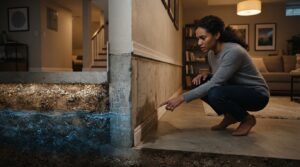
Identifying Hidden Structural Damage Through Acoustic Variations in Drywall
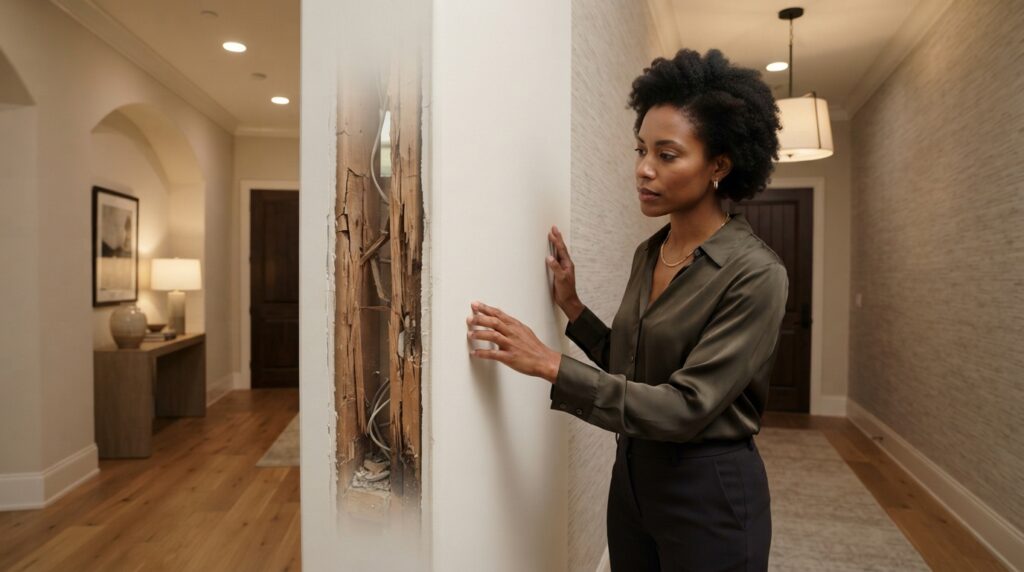
Identifying Hidden Structural Damage Through Acoustic Variations in Drywall
Drywall is one of the most prevalent interior finishing materials in home construction, creating smooth wall and ceiling surfaces and covering the structural structure below. Drywall is not a structural material, but typically reflects structural changes in the building that occur below the drywall. One minor but useful diagnostic technique is to listen for acoustic differences when lightly striking drywall surfaces. Sound variations can indicate hidden voids, loose framing, moisture damage, delaminated materials or structural movement that may not be obvious yet. Acoustic testing is not a substitute for a thorough structural assessment, but it is a good preliminary tool for identifying areas for further evaluation. By learning what acoustic changes sound like in drywall assemblies, homeowners can learn to detect early warning signals of concealed structural concerns, allowing them to correct issues before they become worse and more expensive to fix.
How Drywall Makes Sound
If you touch a drywall it will shake a little bit and make a sound. Depending on what materials are below the drywall, and what circumstances are behind the surface. When drywall is correctly affixed to stable structure and firmly attached, it usually makes a uniform, firm sound throughout the wall. Spacing of studs , insulation in the hollow , and how tight the drywall is connected all affect the sound . If the structural support is changed by damage, dampness or movement the vibration characteristics alter. The disparities cause acoustic changes that may indicate hidden issues inside the wall assembly.
Drywall vs. Structural Framing: The Relationship
Drywall is attached directly to wood or metal framing elements . This links the final surface to the structural core of the building . This relationship means that adjustments to studs, joists, blocking or sheathing typically impact the way the drywall acts. Support for the drywall may be reduced by loose frame members, damaged fasteners, or structural components that shift. More movement might happen if pressure or vibration is applied. Although the sheetrock itself may look intact, the acoustic response can disclose unseen changes in the supporting structure that are not yet visible on the final surface.
How moisture changes acoustic properties
Moisture penetration is a big factor in how drywall responds to sound. Water absorbed into drywall softens the gypsum core and degrades the bond between the paper face and the interior substance. Damp insulation, damaged frame or saturated sheathing behind the wall can also influence sound transmission through the assembly. Areas that have been subjected to dampness for a long period will sound dull and muffled as opposed to the sharp sound of dry and properly supported areas. One of the first warning signals that can be detected is a change in sound as hidden deterioration spreads behind what appears to be pristine paint and wall finishes as water damage proceeds.
Acoustic Signatures Associated with Structural Motion
Settlement, timber shrinkage, overloaded framing or modifications to the foundation might cause structural movement and affect the support given to drywall panels. As the structure shifts slightly, drywall fasteners might loosen or start to pull away from the framing. In such cases tapping the surface will usually produce a dull hollow sound or a slight rattling. Sometimes adjoining portions of the same wall will generate perceptibly distinct tones because only some of the framing members have moved. Such acoustic discrepancies can be used to locate regions where structural changes may be happening prior to visible cracking or large scale distortion of the surface.
Common Conditions that Lead to Hollow Sounds
But knowing the possible causes helps to narrow down the diagnosis. Not every hollow sound means structural damage. Tapping drywall between the wall studs will sound different than tapping directly over frame elements. However, big empty regions may be signs of unstable drywall panels, separated glue, missing fasteners, or concealed voids from deteriorating backing materials. Pest activity, poorly repaired apertures or hidden structural faults may also cause anomalous cavities behind the wall surface. The context of suspicious areas versus the adjacent areas of known sound construction is useful in interpreting anomalous auditory patterns.
Other Signs to Watch for Besides Changes in Sound: How to Detect
Acoustic changes are more relevant when paired with other symptoms of hidden structural issues. Changes in sound may be accompanied by hairline cracks radiating from door corners, uneven wall surfaces, nail pops, or repeated drywall joint separation. Doors and windows that are hard to operate may also be an indication of structural movement affecting adjoining wall assemblies. If you have water stains, flaking paint or persistent musty aromas, the chances of moisture-related damage are much higher behind the walls. The combination of aural and visual indicators increases accuracy in spotting underlying structural problems.
Methods of Diagnosis of Latent Damage
The correct diagnosis starts with a thorough, step-by-step evaluation of the wall or ceiling in question. Careful tapping of areas around questionable places creates regular audio waveforms for comparison. Moisture meters can detect high moisture levels under painted finishes without demolition. Infrared thermal imaging might also detect concealed wetness, holes in insulation or flaws in frame that explain acoustic variations. If structural movement is detected, additional evidence from the study of adjoining framing in accessible attics, crawl spaces or unfinished basements is provided. By combining inspection methods, you will be able to find hidden faults with greater confidence and cause less unwanted harm to finished surfaces.
Avoiding Hidden Structural Problems
Long term protection starts with structural integrity of the building and avoidance of situations that destroy concealed frame. Address roof leaks, plumbing failures, and exterior water intrusion quickly to limit the danger of moisture damage behind drywall. Maintaining a consistent indoor humidity will stop the wood from expanding and contracting too much, which can lead to drywall attachments loosening over time. Walls and ceilings should be periodically inspected for new cracks, surface flaws or changing acoustic characteristics. This allows early detection of growing problems. Properly securing drywall and providing enough structural support also minimizes the potential for future movement while renovating. Knowing how acoustic differences in drywall can be a sign of hidden structural deterioration will help homeowners notice minor indicators of warning before significant faults become obvious, saving the safety, durability and long-term performance of their home’s structural system.