The Countertop Crisis: New Health Regulations Impacting the Sale of Engineered Stone Surfaces
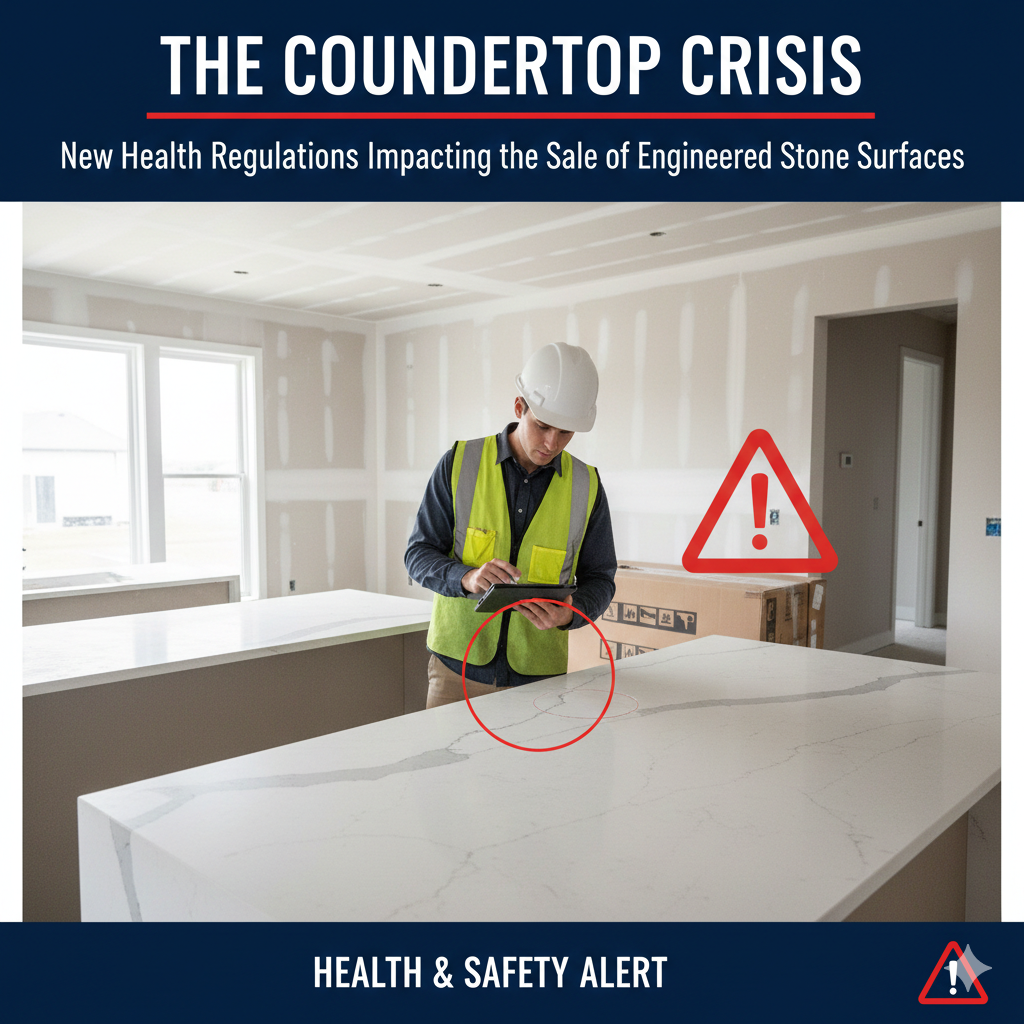
The Countertop Crisis: New Health Regulations Impacting the Sale of Engineered Stone Surfaces
The sleek design, durability, and minimal maintenance appeal of engineered stone worktops have made them a popular option in contemporary houses. There is a growing demand for these counters. For a considerable amount of time, homeowners and builders have favored these surfaces for use in kitchens and bathrooms without really examining the manufacturing process. On the other hand, authorities have recently been compelled to implement stringent laws that influence the sale and usage of these products due to major health concerns. Confusion has arisen within the building and remodeling sector as a result of these significant developments. As a result of compliance regulations, a great number of projects are either being delayed or altered. Everyone, including workers, suppliers, and homeowners, is experiencing the effects of these new regulations. The problem has expanded beyond the world of design trends and been brought into the sphere of public health. To better understand why these laws are in place, it is helpful to understand why the market is moving so quickly. People’s perspectives on engineered stone surfaces are being restructured as a result of this dilemma.
The Meaning of Engineered Stone and the Reasons Behind Its Rising Popularity
The term “engineered stone” refers to a manufactured surface that is produced by blending crushed stone with binding compounds. The fact that it imparts a consistent appearance and has a strong resilience to stains and scratches contributed to its rise in popularity. The homeowners enjoyed the contemporary finish as well as the extensive color selection. The fact that it was easy to install and had a size that was predictable made it popular among builders. After some time had passed, it eventually became a regular fixture in high-end kitchens and bathrooms. To a far greater extent than manufacturing hazards, its marketing emphasised the product’s attractiveness and performance. The fast expansion of large-scale manufacturing occurred in response to the growing demand. This pervasive usage became the basis for the crises that we are now experiencing.
Risks to Human Health Associated with the Production of Engineered Stone
The fine dust that is produced during the process of cutting and shaping engineered stone is the primary source of worry about this material. High concentrations of silica, which may be exceedingly hazardous to one’s health if breathed, are present in this dust. Exposure over an extended period of time may result in the development of significant lung problems over time. In the beginning, a great number of workers were not provided with sufficient information on these dangers. The protective measures that were taken were often insufficient or unevenly implemented. The authorities in charge of health started paying more attention as the number of cases climbed. As a result of these dangers, the topic of discussion switched from aesthetics to worker safety. Regulatory reform was mostly driven by public knowledge, which played a significant impact.
Reasons Behind the Implementation of New Health Regulations
After becoming aware of the long-term effects that silica exposure might have on workers, health officials decided to put in place additional regulations. Studies as well as complaints from the workplace have shown a pattern of severe respiratory illnesses that are associated with the production of manufactured stone. The authorities found out that the safety measures that were already in place were insufficient. By imposing more stringent controls and constraints, the new rules aim to bring about a reduction in exposure. Some places have even gone so far as to completely prohibit or limit the sale of some items. These choices were taken in order to forestall any health concerns in the future. However, despite the fact that they are unpopular, the rules put human safety ahead of convenience. As a result of this transformation, the industry has been compelled to swiftly adjust.
A Discussion on the Impact of These Regulations on Manufacturers and Suppliers
As a result of compliance regulations, both manufacturers and suppliers are seeing a rise in incurred costs. The implementation of new safety equipment, training, and process modifications is now obligatory. There have been certain producers that have either decreased their manufacturing or completely left the market. Due to limited resources, smaller suppliers face the greatest amount of difficulty. It’s possible that inventory that doesn’t satisfy the new requirements won’t be buyable anymore. Because of this, supply chains and availability have been interrupted. Manufacturers are now required to strike a balance between responsibility and profitability. It is a big transition that the sector is now undertaking.
Effects on Construction Companies, Interior Designers, and Renovation Projects
When it comes to new projects, architects and designers are being forced to reconsider their material selections. Alterations may be necessary at the eleventh hour for designs that are centered on manufactured stone. Delays, higher expenditures, and dissatisfied customers are the results of this situation. Educating customers about safer options is increasingly the responsibility of designers. In the event that non-compliant materials are used, builders are also subject to liability risks. Timelines for renovations are being prolonged as a result of difficulties in acquiring materials. Both residential and commercial construction projects are impacted by these changes. In contemporary building planning, adaptability has evolved into a crucial component.
Before purchasing countertops, homeowners should be aware of the following:
Property owners who are contemplating installing new countertops have to be aware of the ever-changing requirements. According to the new regulations, not all items made of engineered stone are regulated in the same manner. At this point in time, it is more necessary than ever to inquire about the content of the item and compliance. Homeowners should also take into consideration considerations for their long-term health and the environment. It is possible to avoid future problems by selecting materials that are compliant or alternative. It is no longer acceptable for price to be the only determining factor. Decisions that are well-informed lead to safer households. Buyers get more power when they are aware of the shifting market.
Alternatives that are taking shape as a reaction to the crisis
Because of the limitations that are placed on engineered stone, other surfaces are garnering more attention. More extensive research is being conducted on natural stone, porcelain slabs, and several other composite materials. The aesthetics of these materials are comparable, but there are less associated health risks. The push from regulatory agencies is causing an acceleration in the innovation of surface materials. The manufacturers are making investments in manufacturing procedures that are safer. In addition, designers are getting more inventive when it comes to the mixes of materials. This change is bringing up new opportunities in the field of interior design. During times of crisis, innovation often occurs in unexpected ways.
What the Future Holds for Engineered Stone Surfaces in the Long Term
The manner in which the business reacts to people’s worries about their health will determine the future of modified stone. It could be possible for it to continue to be sold if safer production procedures were used. In the future, product development will continue to be influenced by ongoing regulation. The level of knowledge among consumers will also have an effect on demand going future. Disclosure of potential dangers and precautions will be of the utmost importance. Although the sector could shrink, it will likely become more responsible. The importance of long-term sustainability exceeds that of short-term trends. The incident involving countertops represents a turning moment for the safety of materials used in home design.